What Is Thermal Printing? Everything You Need to Know
Why do so many shops and delivery services choose thermal printers over inkjet or laser? Common questions include: Is thermal printing really cheaper? Do receipts fade so quickly?
This article clears up the confusion. We’ll explain what thermal printing is, how it works, and most popular questions about it. By the end, you’ll know not just the technical side, but also whether it’s the right fit for your business.
What Is thermal printing?
Thermal printing is a method of producing text or images using heat instead of ink. A thermal printer applies heat directly onto special paper or, in some cases, onto a ribbon that transfers ink to the surface. The result is fast, sharp, and reliable output. Unlike inkjet or laser machines, thermal printers don’t rely on cartridges or toners that need constant replacement.
What are thermal printing methods and how do they work?
Thermal printing technology comes in two main types—direct thermal printing and thermal transfer printing—and both rely on heat instead of ink or toner.
• Direct thermal printing
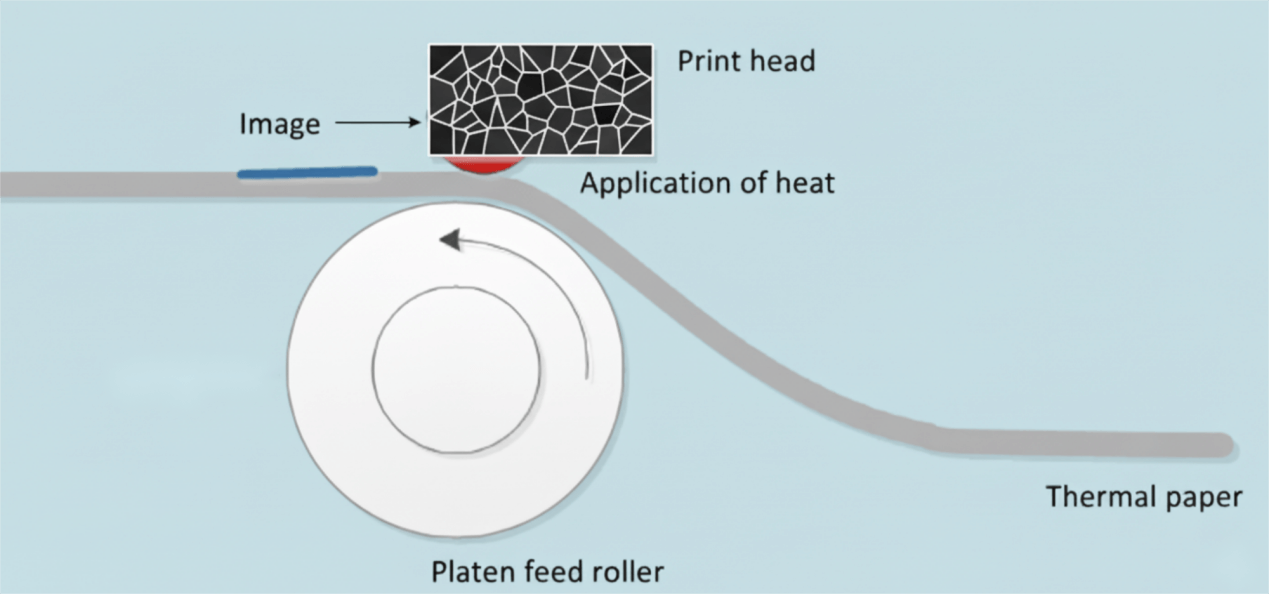
In direct thermal printing, the print head applies heat directly to heat-sensitive thermal paper. The coated paper reacts to the heat, darkening only at the contact points to form images or text. Because it requires no ribbon, ink, or toner, this method is simple and cost-efficient.
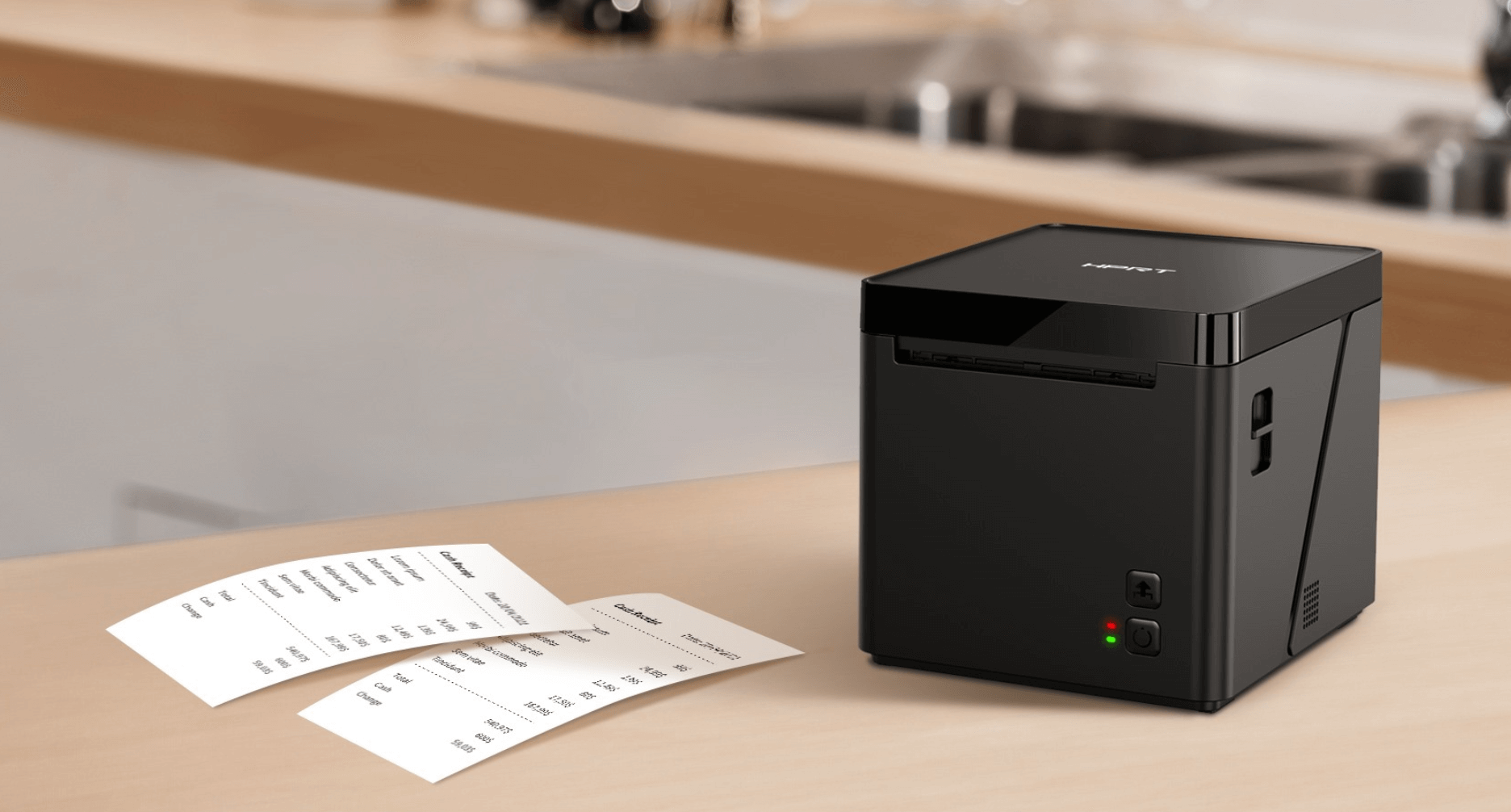
Direct thermal printers are commonly used in receipt printers, ticket machines, and short-term labels. The trade-off is durability: exposure to light, friction, or high temperatures can cause fading within months.
• Thermal transfer printing
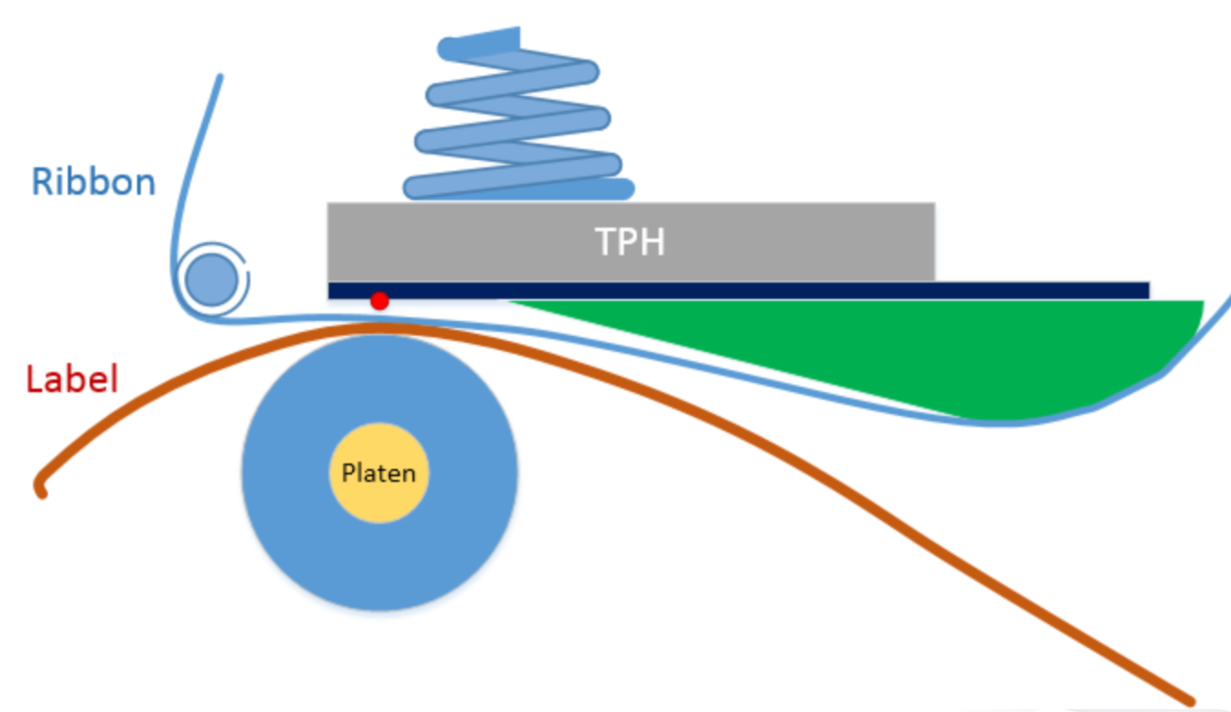
Thermal transfer printing works differently. Instead of heat-sensitive paper, it uses a thermal ribbon (wax, resin, or a hybrid). The print head heats the ribbon, melting a thin layer of material and bonding it to the label stock. This creates sharp, long-lasting images that resist smudging, moisture, and chemicals.
This method is ideal for barcode labels, shipping labels, laboratory tags, and industrial applications where durability is essential.
Think of it this way: the coffee receipt you get is usually direct thermal printing—fast and low-cost, but it fades. A shipping label from a warehouse, on the other hand, is thermal transfer printing—a bit slower, but durable enough to handle moisture and transport.
Both methods share the same advantage: efficiency. With no ink cartridges to replace and fewer moving parts, thermal printers stay compact and reliable. That’s why the market is now full of portable thermal printers, such as portable A4 printers and handheld label printers.
For more technical details, see the Wikipedia article on thermal printing.
Thermal printing vs thermal transfer: which should I choose?
If you’re printing receipts, tickets, or temporary labels, direct thermal is usually enough. It’s cheaper and requires less setup.
If your labels need to last—on a package in transit, in a lab freezer, or on medical equipment—then thermal transfer is the safer choice. It costs a bit more up front but delivers reliability in harsh environments.
Thermal printing vs inkjet: which is better?
Thermal and inkjet printers serve very different purposes. Thermal printers use heat on special paper or ribbons, so they’re fast, low-maintenance, and great for receipts, labels, and shipping tags. No ink cartridges mean lower running costs, especially for businesses printing in bulk.
Inkjet printers shine when you need color and fine detail. They’re better for photos, reports, and marketing materials, but the downside is constant cartridge changes, which adds up over time.
In short: choose thermal for speed and durability, choose inkjet for color and quality.
How long do thermal prints last?
Direct thermal prints, like receipts, usually last 6–12 months before fading, especially when exposed to heat, light, or friction. Thermal transfer prints, however, can last for years because the ribbon ink bonds permanently to the label surface. That’s why shipping companies and hospitals rely on thermal transfer printers when durability is critical.
Is thermal printing cost effective compared to inkjet or laser?
For many businesses, yes. Thermal printing eliminates the ongoing expense of ink and toner, which makes it cheaper to maintain over time. While the upfront cost may be similar to an inkjet, the long-term savings on consumables are substantial—especially for high-volume users such as retailers printing thousands of receipts or logistics companies producing daily shipping labels.
Can you do color thermal printing?
Standard thermal printers are designed for black-and-white output only. However, some specialized models and new technologies support limited color printing, often by using two-color thermal paper (commonly black and red). For full-color needs, most businesses still turn to inkjet or laser devices.
What materials or paper do thermal printers use?
Direct thermal printers use heat-sensitive paper rolls. These are the same rolls you see in cash registers and POS systems, like 58/80 mm thermal paper.
Thermal transfer printers require a ribbon—wax, resin, or a combination—plus label stock that matches the durability needs (paper, polypropylene, polyester). Choosing the right material is critical; for example, warehouse barcodes often require resin ribbons for resistance to smudging.
So, is thermal printing worth it?
Yes—if you value fast output, low maintenance, and long-term savings. For receipts or tickets, direct thermal works best. For durable labels, thermal transfer is the smarter choice. Either way, it often beats inkjet or laser for businesses that print every single day.