Top 5 Uses of 2 & 3 Inch Thermal Printer Mechanisms for Receipt & Ticket Printing
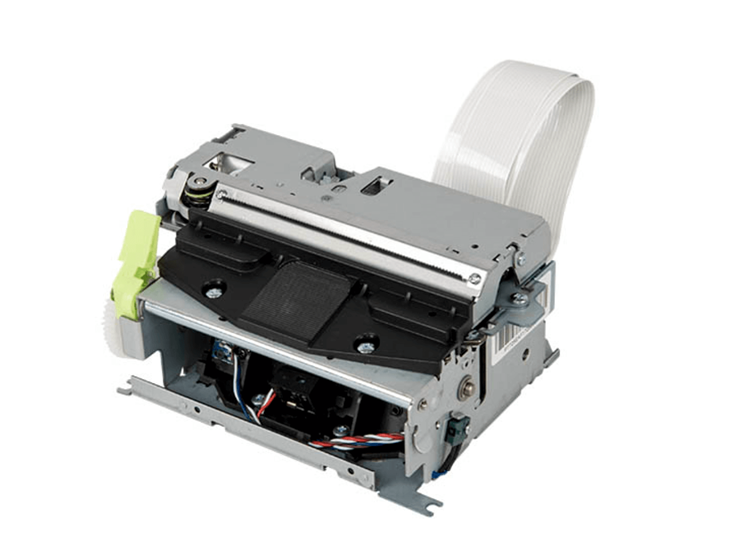
Thermal printers are everywhere—retail checkouts, vending machines, kiosks, ticket dispensers, and more. But when it comes to embedded printing, especially for receipts and tickets, two sizes dominate the field: 2-inch and 3-inch thermal printer mechanisms. Next, we will showcase five real-world applications where these thermal mechanisms shine.
Why 2-Inch and 3-Inch Thermal Printer Mechanisms Are Popular
Thermal printer mechanisms come in various widths, such as 2-inch, 3-inch, 4-inch, and even larger formats like 6-inch or 8-inch. In practice, however, the 2-inch and 3-inch thermal mechanisms meet the majority of application needs.
A 2-inch size is compact and affordable, fitting mobile POS, small receipts, and food labels. The 3-inch size allows more information and clearer layouts, making it popular in retail, logistics, and healthcare.
Learn more: 2 Inch vs 3 Inch Thermal Printer Mechanism
5 Real-World Use Cases of 2 & 3 Inch Thermal Printer Mechanisms
1.Retail POS Receipt Printers (2" or 3" Mechanism)
In retail, 2-inch and 3-inch thermal printer mechanisms are the go-to solution for generating receipts and orders—whether in a portable printer or a desktop counter printer.
These POS printers are placed in supermarkets, clothing stores, cafés, and even pop-up shops, handling everything from basic transaction slips to detailed purchase summaries with barcodes or QR codes.
Why it works:
•2-inch models fit compact devices for mobile use
•3-inch models support 80mm paper rolls for full-width receipts
•Fast printing keeps checkout lines moving
•Built-in cutters support clean tear-offs
•Quiet, low-maintenance operation fits the retail environment
2. Retail Self-Checkout Kiosks (3" Mechanism)
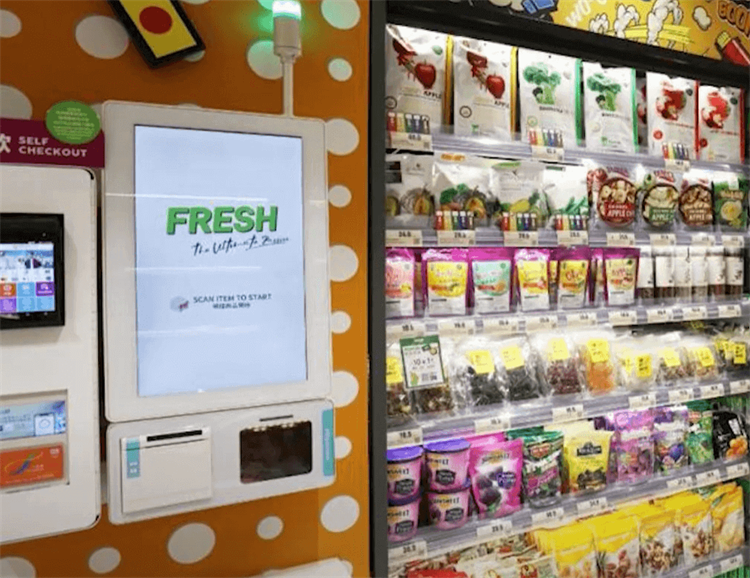 Self-checkout stations in supermarkets and convenience stores often use 3-inch thermal printer modules to handle high-volume receipt printing. They need to print itemized shopping lists and receipts, loyalty info, coupons, and sometimes multilingual content.
Why it works:
•Supports 80mm paper with large roll capacity
•Clean auto-cutting for faster transaction flow
•High-speed thermal printing (150–200mm/s)
•Sharp resolution for logos and QR codes
3. Parking & Transport Ticketing Machines (3" Mechanism)
From bus stations to parking garages, ticket printing needs to be fast, durable, and legible—especially under pressure. Many public kiosks use 3-inch thermal printer mechanisms to print barcode tickets, time stamps, and payment records.
Why it works:
•Compatible with black mark & gap sensing for precise ticket control
•Long roll support reduces operator maintenance
•Durable build for outdoor or semi-protected environments
•Optional cut-and-hold or retractable functions
4. Medical Self-Service Kiosks (2" or 3" Mechanism)
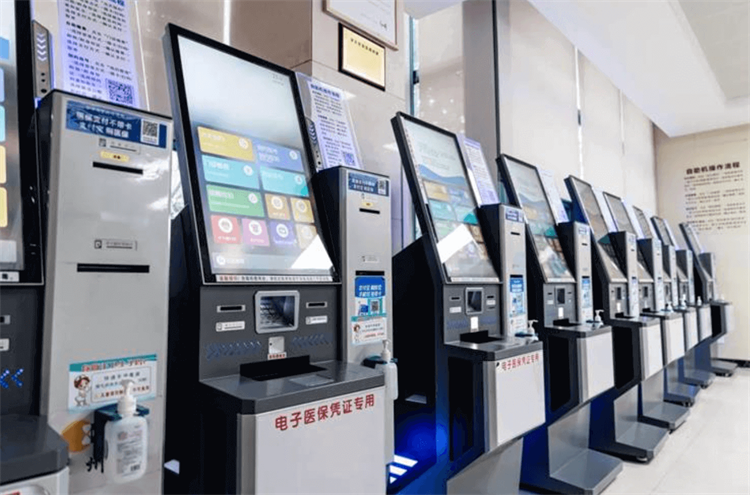 Hospitals and clinics are increasingly deploying self-service terminals—for check-in, bill payment, and report pickup. Depending on design, both 2-inch and 3-inch kiosk thermal mechanisms are commonly used.
Why it works:
•2" for basic check-in slips or queue numbers
•3" for discharge summaries, barcoded test results, or invoices
•Low-noise and clean operation, ideal for quiet environments
•Simple maintenance—no ink, fewer breakdowns
5. Vending & Coffee Machines (2" or 3" Module)
Modern vending machines—especially those selling hot drinks or offering payment by app—frequently include a thermal printer. Some print transaction receipts, others offer promotional codes or order tickets.
Why it works:
•2" module fits compact coffee or snack vending designs
•3" module handles wider content and coupons
•Integrated cutter and easy-load paper paths
•Thermal mechanism withstands vibration and internal heat
As new industries adopt automation and self-service, it will be interesting to see where else 2-inch and 3-inch thermal printer mechanisms might find their place.