Thermal Printer Mechanism with Auto Cutter: Design, Function, and Benefits
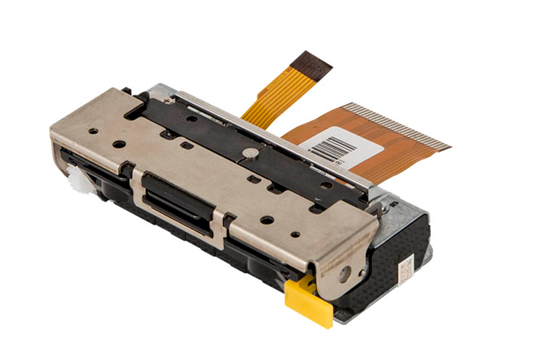
Every second counts in a busy retail counter or logistics station. A thermal printer mechanism with auto cutter doesn’t just print—it automates the finishing step that most people forget. It’s a small feature that changes everything about how fast, clean, and reliable your print process can be.
Most engineers know the printer’s brain lies in its mechanism. But when that mechanism integrates an automatic cutter, it transforms an ordinary printer into a high-performance system designed for continuous, unattended operation.
What Is a Thermal Printer Mechanism with Auto Cutter?
A thermal printer mechanism is the core printing component used inside receipt, label, or kiosk printers. It includes the thermal print head, platen roller, and paper feed motor—everything required to create heat-sensitive printouts.
When this mechanism is equipped with an auto cutter, it gains the ability to automatically cut the printed paper after each job or at programmed intervals. This is achieved through a built-in guillotine or rotary blade, driven by a compact motor and controlled by firmware logic.
Key Components
Component | Function |
Thermal Print Head | Heats specific dots to form text or images on thermal paper |
Platen Roller | Presses paper against the print head for even contact |
Cutter Unit (Auto Cutter) | Slices paper automatically—either full or partial cuts |
Driver Board | Manages print head heating and cutting timing |
This combination allows precise control of every step from printing to cutting—essential for fast-paced, automated systems.
How the Auto Cutter Improves Efficiency
The auto cutter isn’t just a convenience feature. It’s a mechanical optimization that enhances both workflow and print reliability.
Here’s how it matters in real-world applications:
• Speed & Productivity: Eliminates manual tearing, reducing waiting time at checkout or label stations.
• Consistency: Ensures clean, straight cuts—critical for barcodes and receipts that must be scanned or archived.
• Longevity: Reduces paper jams and stress on the platen roller caused by rough tearing.
• Automation: Ideal for kiosks, ATMs, or ticketing machines that require unattended, continuous printing.
Interestingly, many OEM printer manufacturers now integrate the auto cutter as a default feature rather than an upgrade—proof of its practical value.
Types of Auto Cutters Used in Thermal Mechanisms
Not all auto cutters are the same. Understanding their differences helps in selecting the right mechanism for your design.
Cutter Type | Cutting Method | Suitable For | Advantages |
Guillotine Cutter | Straight, full cut using a sliding blade | High-volume POS systems | Durable, clean edges |
Rotary Cutter | Rotating blade performs smooth, circular cut | Label or ticket printing | Quieter, longer lifespan |
Partial Cutter | Leaves a small paper bridge | Receipt printers | Prevents paper drop and misfeed |
Each mechanism type serves a specific balance between speed, durability, and cost. For example, kiosks and self-service terminals often use rotary cutters for continuous operation with minimal maintenance.
Choosing the Right Thermal Printer Mechanism with Auto Cutter
When selecting a printer mechanism for integration or OEM design, consider the following performance parameters:
1.Resolution and Print Width
Most mechanisms offer 203 or 300 dpi resolution. Choose based on print clarity requirements. For example, label applications benefit from 300 dpi, while POS receipts perform well at 203 dpi.
2.Cutting Life
Auto cutters typically guarantee 1–2 million cuts. Always verify the rated lifespan, as worn cutters can cause jagged edges or incomplete cuts.
3.Print Speed
Standard mechanisms achieve 150–250 mm/s. High-end designs with optimized driver boards can reach 300 mm/s without overheating the cutter motor.
4.Media Compatibility
Check supported paper thickness (60–120 μm) and roll diameter. Mismatched media can strain the cutter and reduce life expectancy.
Application Scenarios
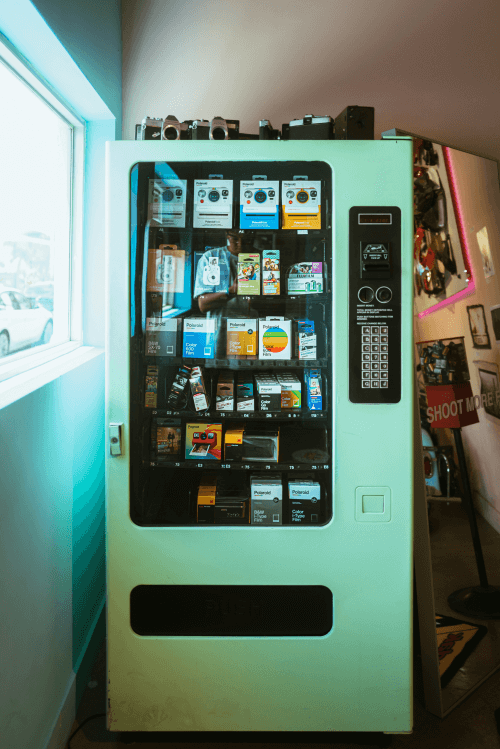
A thermal printer mechanism with auto cutter is widely used in:
• POS terminals – Fast checkout receipts
• Kiosk systems – Self-service printing for tickets or queue slips
• Vending machines – Printing purchase receipts or product information automatically after each transaction
• Medical devices – Test result printouts requiring accuracy and hygiene
• Banking and ATMs – Transaction records with automatic cut
• Industrial labelers – Batch printing of serialized barcode labels
In practice, many brands—including HPRT—design printer mechanisms optimized for OEM integration, offering modular cutter units and flexible mounting for easy assembly.
What It All Means
The next time you’re specifying hardware for a POS system or kiosk terminal, consider this: a thermal printer mechanism with auto cutter is more than just a print component—it’s an automation module. It bridges the gap between mechanical precision and operational efficiency.
As retail, healthcare, and logistics move toward fully automated workflows, mechanisms with built-in cutting systems will likely become the industry standard rather than a premium option. The upgrade is small, but the payoff—in reliability, speed, and user experience—is substantial.