A4 Size Thermal Printer Mechanism Applications and Use Cases
Understanding where and how an A4 size thermal printer mechanism is used can be confusing, especially since most A4 document printing relies on laser or inkjet technology. This article clarifies the real-world applications of thermal printer mechanisms and explains why they are used in specific embedded environments rather than general office printing.
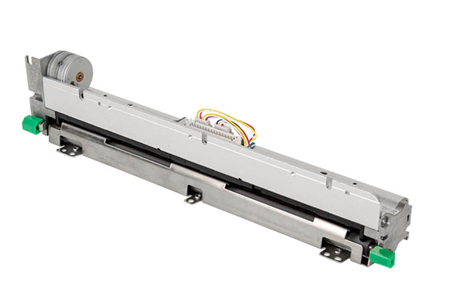
What Is an A4 Size Thermal Printer Mechanism?
An A4 size thermal printer mechanism refers to the core printing module inside a device that uses thermal technology to produce output on specially coated paper. Unlike full printers, a mechanism is typically integrated into another system rather than used as a standalone machine.
Understanding Thermal Printing Technology
Thermal printing works by applying heat to paper that reacts chemically, creating text or images without the need for ink or toner. This process allows for fast, low-maintenance printing, making it suitable for systems that require consistent and reliable output.
What “Mechanism” Means in Embedded Printing Systems
The term “mechanism” highlights that this is not a complete printer but a component. It includes essential parts such as the thermal print head, motor, and control interface. These modules are designed to be embedded into equipment like kiosks, medical devices, or industrial systems.
Where A4 Thermal Printer Mechanisms Are Actually Used
While thermal printing is common for receipts and small labels, A4-sized thermal mechanisms are used in more specialized environments that require wider-format output.
Medical and Diagnostic Equipment
One of the most common applications is in medical and diagnostic systems. Devices such as ultrasound machines, laboratory analyzers, and testing equipment often need to generate reports instantly.
Thermal printer mechanisms are ideal here because they:
• Deliver immediate print results
• Require minimal maintenance
• Can be integrated directly into compact medical equipment
Industrial and Embedded Systems
In industrial environments, embedded printing solutions are often used within machinery or monitoring systems. These may include:
• Testing and inspection equipment
• Control systems that generate operational reports
• Manufacturing systems that print process data
In these cases, an embedded thermal printer module provides a reliable way to output A4 documents without adding bulky external devices.
Portable and Field Printing Devices
A4 thermal mechanisms are also used in portable printing systems, although this is a more niche application. Field service teams, inspectors, or mobile operators may need to generate documents on-site.
Thermal technology supports this by offering:
• Lightweight and compact integration
• No need for ink cartridges
• Quick startup without warm-up time
Key Limitations of A4 Thermal Printing
Despite its advantages, A4 thermal printing has several limitations that restrict its broader use.
• Printed output can fade over time, especially when exposed to heat or light
• Special thermal paper is required, which may not be suitable for all environments
• Print quality is generally lower compared to laser or inkjet printers
These factors make thermal printing more suitable for short-term or operational use rather than archival documents.
A4 Thermal vs Inkjet vs Laser Printing
Understanding how thermal printing compares with other technologies helps clarify its role.
Technology | Best Use Cases | Key Limitation |
Thermal | Embedded systems, real-time output | Fading over time |
Inkjet | Color printing, flexible media | Slower and requires ink |
Laser | Office documents, high-quality text | Higher cost and maintenance |
Each technology serves a different purpose, and choosing the right one depends on the application.
Final Thoughts on A4 Thermal Printer Mechanism Applications
An A4 size thermal printer mechanism is not designed to replace traditional office printers. Instead, it plays a specialized role in embedded systems where reliability, simplicity, and immediate output are essential.
From medical equipment to industrial systems, these mechanisms support workflows that depend on real-time data and low-maintenance operation. Understanding these use cases helps clarify where thermal printing fits within modern printing technologies.
FAQs about A4 Thermal Printer Mechanisms
What is an A4 thermal printer mechanism used for?
It is primarily used in embedded systems such as medical devices, industrial equipment, and portable printing solutions where immediate document output is required.
Is thermal printing suitable for long-term document storage?
Thermal printing is generally not suitable for long-term storage because the printed output can fade over time.
Why are most A4 printers not thermal?
Most A4 printers use laser or inkjet technology because they provide better print quality and long-term durability for standard documents.
Can thermal printing replace traditional printers?
Thermal printing is not a full replacement for traditional printers. It is best suited for specific use cases that require speed, low maintenance, and integration into devices.
Recent posts
Previous article
How Barcode and QR Code Systems Enable End-to-End Food Traceability
Next article