How Barcode and QR Code Systems Enable End-to-End Food Traceability
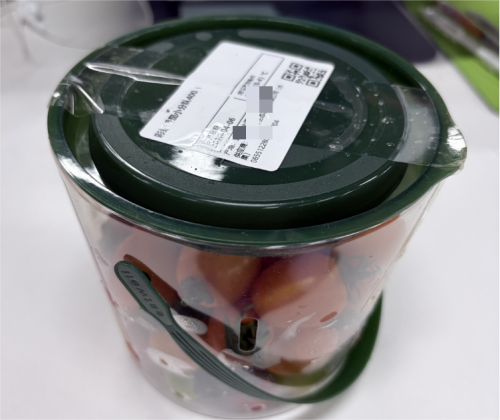
Food traceability is often described as the ability to track products from farm to fork. But in real-world supply chains, traceability only works when data is captured, transferred, and verified at every step. This is where barcode and QR code systems become essential.
Key Takeaways
• Food traceability depends on consistent data capture across the supply chain
• Barcodes identify products, while QR codes enable richer and dynamic information
• The system works only if physical food labels remain scannable in real conditions
• Most traceability failures are caused by execution gaps, not missing technology
Core insight:
A digital traceability system is only as reliable as the physical labels that carry its data.
What “End-to-End Food Traceability” Actually Means
End-to-end food traceability refers to the ability to:
• identify a product
• track its movement
• trace its origin and processing history
This typically includes:
• farm production
• processing and packaging
• distribution and logistics
• retail and consumer access
The challenge is not defining traceability —
it is making data flow consistently across all these stages.
How Food Traceability Works Across the Supply Chain
A traceability system is not a single database. It is a chain of data capture events linked by identifiers.
1. Farm Level
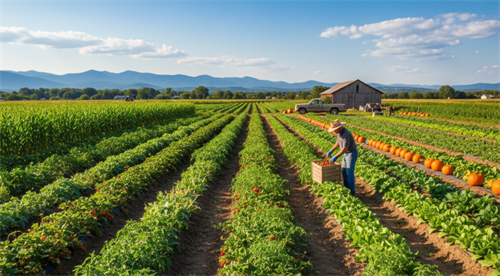
• Products are assigned a batch or lot number
• Basic information is recorded (origin, date, supplier)
Typically encoded using:
• barcodes (for internal tracking)
2. Processing & Packaging
• Raw materials are transformed into finished goods
• New identifiers are generated for each production batch
Food traceability labels may include:
• product ID
• batch number
• expiration date
3. Distribution & Logistics
• Products are scanned during storage and transportation
• Movement data is continuously updated
Key requirement:
• fast and reliable barcode scanning
4. Retail & Consumer Access
• Products are scanned at checkout or by consumers
QR codes may provide:
☑ origin details
☑ certifications
☑ traceability history
Key insight:
Traceability is not a single system — it is a sequence of scanning events that maintain data continuity.
Barcode vs QR Code in Food Traceability
Both technologies play different roles in a traceability system.
Feature | Barcode (1D) | QR Code (2D) |
Data capacity | Limited | High |
Primary use | Product identification | Extended information |
Scan speed | Very fast | Slightly slower |
Use case | Logistics, warehouse | Consumer interaction, detailed tracking |
Practical Use
• Barcodes → fast, standardized identification
• QR codes → richer data and traceability visibility
Most systems use both together, not one instead of the other.
How Data Flows in a Traceability System
At its core, traceability is about linking physical products to digital records.
Basic workflow:
1. A label is printed with a barcode or QR code
2. The code is scanned at each stage
3. Data is recorded in a database
4. The product's history is updated
This creates:
• batch traceability
• movement history
• recall capability
Critical requirement:
Every scan must be accurate, consistent, and readable.
Where Food Traceability Systems Break Down
Despite having the right technology, many systems fail in practice.
Common failure points:
• Food track and trace labels become damaged or unreadable
• Barcodes are printed with low contrast
• Data is not scanned at every step
• Systems between partners are not synchronized
Insight #1:
Traceability does not fail because of missing data — it fails because data is not captured consistently.
Insight #2:
A perfect digital system is useless if the physical label cannot be scanned reliably.
The Role of Label Design and Printing Quality
Traceability depends heavily on label reliability.
Key factors:
• print contrast and clarity
• label material durability
• resistance to moisture and temperature
• correct barcode size and quiet zone
In real supply chains:
• cold environments
• handling friction
• exposure to water or chemicals
can all degrade label quality.
Best Practices for Reliable Traceability
To ensure traceability systems work in real conditions:
✔ Use standardized identifiers
• follow GS1 or similar standards
• ensure compatibility across systems
✔ Optimize label printing quality
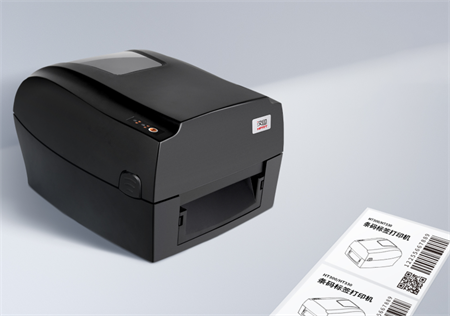
• ensure sufficient contrast and resolution from your barcode printer
• avoid smudging or fading
✔ Choose the right label material
• match environment (cold chain, humidity, chemicals)
✔ Ensure consistent scanning processes
• scan at every key transition point
• avoid manual data gaps
✔ Test in real-world conditions
• simulate transport and storage
• validate scanning reliability
Practical Conclusion
Barcode and QR code systems enable food traceability by linking physical products to digital data across the supply chain.
However, technology alone is not enough.
Successful traceability depends on:
• consistent data capture
• reliable label performance
• coordination across all participants
The most effective systems are not the most complex ones — they are the ones that work reliably in real-world conditions.