What Is the Lifespan of a Barcode Printer?
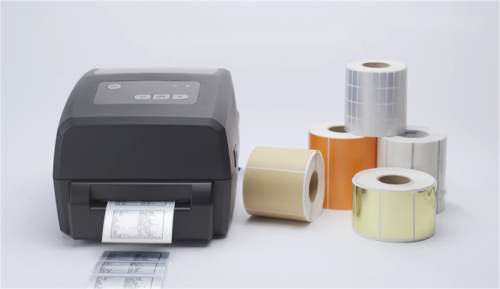
Barcode printers are built for daily work—printing shipping labels, inventory tags, and product barcodes. But like any piece of equipment, they don’t last forever. So how long can a barcode printer realistically run before it needs replacement?
Short answer: Most barcode printers last between 5 and 10 years, depending on usage, printer type, and maintenance. Some well-maintained industrial models can even run longer.
But like any piece of equipment, the real lifespan depends on how hard you work it and how well you take care of it. Let’s walk through the details in plain language.
Average Lifespan of Different Barcode Printer Types
Not all barcode printers are built the same. Their lifespan often depends on the environment and printing volume.
Desktop Barcode Printers
● Typical lifespan: 3–6 years
● Best for: small businesses, retail counters, offices
● Average workload: a few hundred labels per day
Desktop printers are compact and affordable, but they’re not designed for nonstop operation. If used moderately, they hold up well for several years.
Industrial Barcode Printers
● Typical lifespan: 7–10+ years
● Best for: warehouses, manufacturing, logistics centers
● Average workload: thousands of labels per day
Industrial printers are built like workhorses. Strong metal frames, heavier components, and better cooling systems help them handle heavy workloads for many years.
Mobile Barcode Printers
● Typical lifespan: 3–5 years
● Best for: field service, retail floors, delivery operations
● Battery-powered and portable
Because they’re moved around frequently, mobile printers experience more wear and tear, which slightly shortens their lifespan.
The Most Important Factor: Printhead Life
The printhead is the heart of a barcode printer. It’s also the component that wears out the fastest.
Most thermal printheads are rated for:
● 50–150 kilometers of printed media
That number might sound odd, but it refers to the total length of labels printed.
In practical terms:
● Light use: printhead may last 5 years or more
● Heavy warehouse use: 2–3 years before replacement
The good news? Printheads are replaceable, so replacing one doesn't mean buying a whole new printer.
What Affects a Barcode Printer's Lifespan?
Several factors influence how long a printer keeps running smoothly.
Printing Volume
Printing thousands of labels daily naturally creates more wear than occasional printing.
Label Quality
Low-quality labels can produce excess adhesive dust and residue, which damages internal parts over time.
Environment
Heat, dust, humidity, and vibration can all shorten equipment life.
A climate-controlled office is easy on a printer. A busy warehouse floor is a tougher environment.
Maintenance Habits
Regular cleaning and proper handling go a long way.
A little routine care can add years to a printer’s life.
Simple Maintenance Tips to Extend Lifespan
You don’t need complicated procedures to keep a barcode printer healthy. A few basic habits help a lot:
✅ Clean the printhead regularly using alcohol wipes
✅ Use high-quality labels and ribbons
✅ Keep dust away from internal components
✅ Store label rolls properly
✅ Avoid overloading the printer with media
Think of it like maintaining a car. Small, consistent care keeps everything running smoothly.
Signs Your Barcode Printer May Need Replacement
Even well-maintained machines eventually reach their limit. Common warning signs include:
● Frequent printhead failures
● Inconsistent barcode quality
● Slow printing speed
● Media feeding problems
● Outdated connectivity or driver support
If repairs start becoming frequent, it might be time to consider an upgrade.
Can a Barcode Printer Last Longer Than 10 Years?
Yes, it can. Many businesses report industrial barcode printers running reliably for over a decade.
The key factors are:
- Moderate workload
- Regular cleaning
- Quality supplies
- Occasional part replacements
With proper care, a barcode printer can remain a dependable tool for many years.
Bottom Line
Most barcode printers last between 5 and 10 years, with industrial models often lasting longer. The printhead usually needs replacement first, but the rest of the machine can continue running well.
If you choose the right printer for your workload and perform basic maintenance, your barcode printer should serve your business reliably for years.
Treat it well, keep it clean, and it’ll keep printing sharp, scannable labels without much fuss.
Recent posts
Previous article