Waterproof and Chemical-Resistant Barcode Labels Explained
Not all barcode labels are designed for normal environments.
In industries like manufacturing, laboratories, and chemical processing, labels must survive:
✔️ water exposure
✔️ solvents
✔️ oils
✔️ cleaning chemicals
Standard paper labels fail quickly in these environments. That’s why specialized waterproof and chemical-resistant barcode labels are used.
Why Durable Barcode Labels Matter
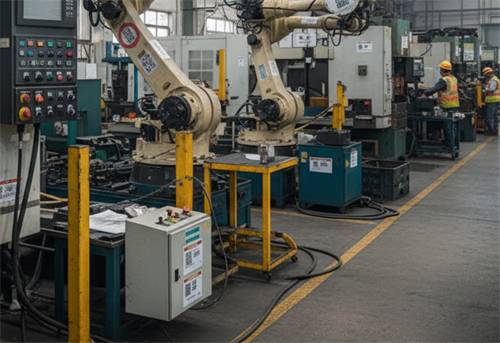
If labels fail, critical systems break down:
• inventory tracking
• asset identification
• regulatory compliance
• product traceability
Durable labels ensure barcodes remain readable even under harsh industrial conditions.
Common Waterproof Label Materials
Several synthetic materials are used for durable barcode labels.
Polyester Labels
Polyester is one of the most durable label materials available.
Features include:
• waterproof surface
• chemical resistance
• high temperature tolerance
Common uses:
• electronics manufacturing
• industrial equipment labeling
Polypropylene Labels
Polypropylene offers good durability at a lower cost.
Benefits include:
• moisture resistance
• flexibility
• strong print adhesion
Often used in logistics and warehouse labeling.
Vinyl Labels
Vinyl labels are extremely flexible and weather resistant.
They are ideal for:
• outdoor equipment
• asset tags
• long-term labeling applications.
Choosing the Right Ribbon
For thermal transfer printing, ribbon selection is critical.
Resin ribbons are typically used for:
• chemical resistance
• abrasion resistance
• high-temperature environments
Wax ribbons generally do not provide sufficient durability for harsh conditions.
Applications for Waterproof Barcode Labels
Durable barcode labels are commonly used in:
• automotive manufacturing
• pharmaceutical laboratories
• chemical processing plants
• outdoor asset tracking
• electronics production lines.
Best Practices for Durable Barcode Printing
To maximize durability:
• use synthetic labels
• choose resin ribbons
• ensure proper printer calibration
• test labels in real environments.
These steps help ensure barcode labels remain readable even after exposure to water, chemicals, and abrasion.
Choosing durable barcode labels and matching printing supplies is key to stable operation in harsh environments. High-quality synthetic materials and proper printing settings ensure long-lasting readability, protect traceability, and reduce unexpected downtime for your business.
FAQ
Are thermal labels waterproof?
Standard direct thermal labels are not waterproof. Synthetic labels like polyester or polypropylene provide better water resistance.
Which barcode labels resist chemicals best?
Polyester labels combined with resin ribbons typically offer the highest chemical resistance.
Recent posts
Previous article
Direct Thermal vs Thermal Transfer for Shipping Labels
Next article