Top Applications of Barcode Printers in Retail, Logistics, Healthcare & More
What is the use of a barcode printer? Retailers update prices daily, factories trace products, hospitals prevent mix-ups. One printer, many roles—always saving time and cutting mistakes. Now, let’s take a closer look at how barcode printers are applied across different industries.
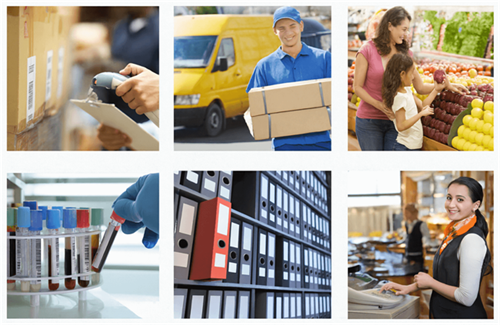
Major Applications of Barcode Printers
1.Driving Retail Efficiency with Barcode Printers
Retailers are probably the most common users of barcode printers. Walk into any supermarket, boutique, or jewelry shop, and you’ll see retail printers in action.
• Shelf tags, and price tags and discount labels: Stores update prices frequently, especially during promotions. Staff often carry a portable barcode printer, which makes this process quick and easy.
• SKU barcodes and product barcodes: Retailers regularly label fresh food, ready meals, or product bundles with unique codes, using thermal barcode printers to generate clear, scannable labels that speed up checkout and keep inventory updated.
• High-end merchandise labels: Jewelers, for example, often use butterfly tags with barcodes for tracking.
2.Warehousing Printers Ensuring Inventory Accuracy
In warehouses and logistics centers, barcode printers are indispensable. Think about how many packages and pallets move in and out every day—it’s impossible to manage without barcode labels.
• Inbound and outbound labels: Every item entering or leaving the warehouse needs a scannable code.
• Shipping labels: Couriers rely on accurate barcode labels to ensure packages get to the right address.
• Stock management: Barcodes help workers quickly locate and track items, saving both time and money.
One logistics manager once said: “Without barcode labels, we’d be lost in our own warehouse.” That sums it up well.
3.Barcode Printers for Manufacturing: Tracking Products from Line to Package
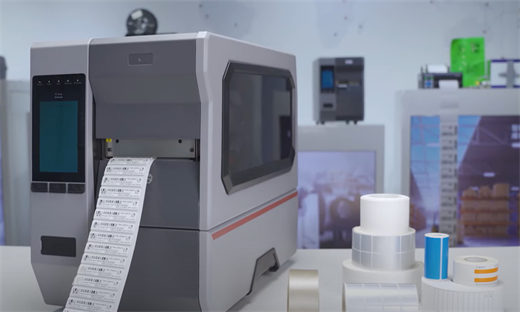
Factories also benefit greatly from barcode label printing. In fact, manufacturers use them, especially industrial thermal printers at nearly every stage of production.
• Asset management labels: Large facilities must track equipment and tools.
• Production tracking labels: Each batch or unit is labeled for traceability.
• Packaging and hang tags: Especially in clothing or electronics, labels carry key product details for retailers and regulators.
4.Healthcare Printers Safeguarding Patient Safety

Hospitals, clinics, and labs rely heavily on barcode printers to ensure safety and reduce medical errors.
• Patient wristbands: A barcode printer can print paper, plastic, or thermal wristbands, each carrying a barcode that links directly to medical records.
• Sample and test tube labels: Clear identification prevents mix-ups in diagnostic labs.
• Prescription and medication labels: Ensures the right patient gets the right medicine.
5.Barcode Printers for Public Sector in Managing Assets and Records
Not all barcode applications are commercial. Public institutions also make good use of them.
• Fixed asset management: Governments track equipment, furniture, and IT devices using barcode labels.
• Book coding: Libraries print labels to manage borrowing and cataloging.
These applications may not sound glamorous, but they keep essential services running smoothly and reduce loss.
Frequently Asked Questions about Barcode Printers
Q1: What is the difference between a barcode printer and a label printer?
A barcode printer is designed specifically to print scannable barcodes, though it can also handle general labels. A regular label printer may not always produce barcodes with the accuracy needed for scanning.
Q2: Can I use a barcode printer for shipping labels?
Yes, many logistics companies do exactly that. Just make sure the printer supports the right label size.
Q3: Which barcode printer is best for small businesses?
Look for a compact desktop barcode label printer with easy setup, affordable supplies, and wireless connectivity.
Q4: How long do barcode labels last?
Direct thermal labels typically last a few months, while thermal transfer labels can endure for years under proper conditions.
Barcode printers are everywhere—retail shelves, hospital labs, government offices. They bring accuracy, speed, and lower costs. Whether you’re labeling thousands of products or just tagging items in a small shop, the right printer keeps your workflow smooth and efficient.