Low Voltage Thermal Printer Mechanism: The Hidden Power Behind Compact Printers
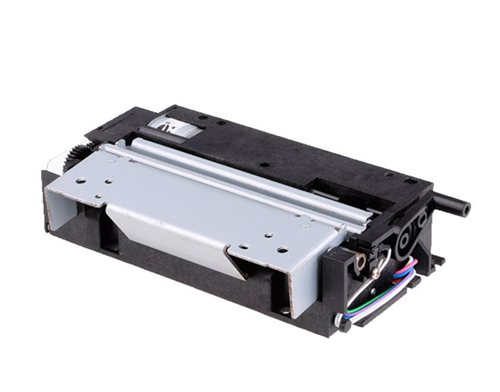
Small, fast, and silent — that’s what people expect from modern printers today. Interestingly, one core innovation makes it possible: the low voltage thermal print mechanism. This little piece of engineering is redefining what compact printing can do — from mobile POS devices to wearable label printers.
What Is a Low Voltage Thermal Print Mechanism?
At its simplest, a low voltage thermal print mechanism is the heart of a thermal printer. It’s the component that uses heat, not ink, to transfer text and images onto thermal paper.
Generally speaking, the “low voltage” part means it operates efficiently with minimal power — typically between 3.3V and 5V — making it ideal for battery-powered and portable devices.
How It Works
1. A thermal print head heats up microscopic dots.
2. These dots activate a chemical reaction on the heat-sensitive paper.
3. The paper darkens where heat is applied — creating crisp, high-contrast text or graphics instantly.
No ink. No toner. No mess.
Why Low Voltage Thermal Printing Technology Matters
In printing, voltage goes way beyond a simple engineering number — it shapes how energy, heat, and performance come together inside every device.
In the printing world, voltage isn’t just an engineering detail — it’s a design philosophy. Lower voltage brings a cascade of real-world advantages.
Feature | Standard Thermal Mechanism | Low Voltage Thermal Mechanism |
Operating Voltage | 9–24V | 3.3–5V |
Power Consumption | High | Low |
Heat Control | Less precise | More consistent |
Device Type | Fixed printers | Portable, battery-powered |
Printing Noise | Moderate | Extremely low |
As the table shows, the advantages go far beyond numbers. Lower voltage doesn’t just cut energy use — it transforms how thermal printers perform in real-world scenarios.
Power Efficiency
Lower power use means longer battery life — essential for mobile printers in retail, logistics, and healthcare. It also keeps heat in check, protecting components and extending lifespan.
Compact Design
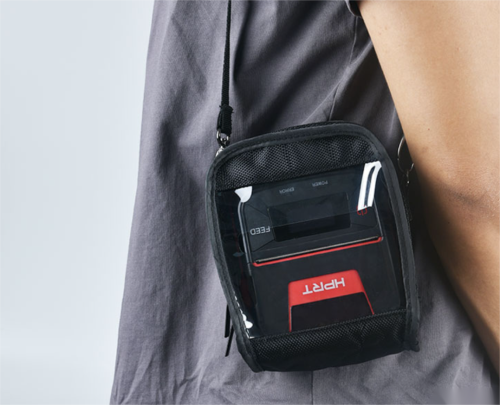
Low voltage enables smaller, lighter, and cooler printers without sacrificing performance. You’ll see these mechanisms in handheld barcode, wearable label, and smart ticketing devices where portability is key.
Where Low Voltage Thermal Printing Makes a Difference
Low voltage thermal print mechanisms are the quiet workhorses inside a wide range of devices you probably use every day — without even realizing it.
• POS and Payment Systems
Think about the sleek little printer that spits out your café receipt. That’s thermal printing in action — fast, inkless, and reliable, even when powered by a small lithium battery.
• Mobile Label and Barcode Printers
Warehouses, hospitals, and logistics hubs rely on portable label printers that must operate continuously. Low voltage mechanisms make them efficient and lightweight enough to clip to a belt.
• Smart IoT Devices
From medical diagnostic tools to vending machines and parking meters — any IoT device that needs instant printing benefits from this technology.
Key Takeaways
A low voltage thermal print mechanism is the quiet force behind portable printers that keep your operations running smoothly, even off the grid. As innovation continues, expect to see even faster, smaller, and smarter designs powered by this same principle — low voltage, high performance.
FAQs About Low Voltage Thermal Print Mechanisms
1. What voltage range is considered “low voltage” for thermal printers?
Typically between 3.3V and 5V. This range allows efficient, stable printing without excessive heat or power drain.
2. Are low voltage mechanisms slower than standard ones?
Not necessarily. Many are optimized with high-efficiency circuits that maintain comparable print speeds while consuming less power.
3. What kind of paper do these printers use?
They use thermal paper — a heat-sensitive paper coated with a chemical layer that reacts to temperature changes.
4. How long does a low voltage thermal printhead last?
With proper use, most printheads last between 50–100 km of printed material, depending on design and maintenance.
5. What industries benefit most from low voltage thermal printing?
Retail, logistics, healthcare, warehousing, and transportation — anywhere portable, instant printing is essential.