How to Choose the Right Thermal Transfer Ribbon (A Complete Guide)
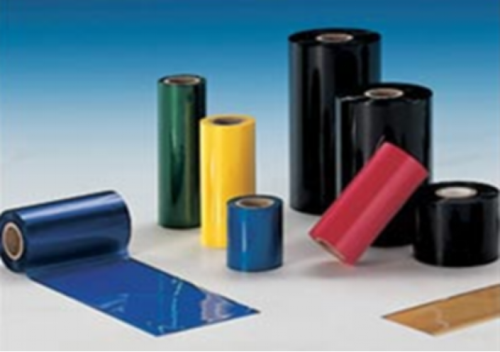
If your barcode printer output looks faint, smudged, or inconsistent, the issue might not be the printer—it’s often the ribbon. Choosing the right thermal transfer ribbon isn’t just about print quality. It determines durability, compatibility, and long-term efficiency across your labeling workflow.
Let’s simplify the selection process and make sure you get it right every time.
Understanding the Basics: What Is a Thermal Transfer Ribbon?
A thermal transfer ribbon is a thin film coated with ink that transfers onto a label when heat is applied by the printhead. Unlike direct thermal printing, which relies on heat-sensitive paper, this method produces durable, high-contrast prints ideal for long-term labeling.
The ribbon is typically wound on a plastic core and made of three layers:
• Back coating – protects the printhead from friction and static.
• Ink layer – the printable surface that melts onto the label.
• Base film – supports the structure of the ribbon.
In short, the ribbon acts as the bridge between heat and substrate, defining how crisp and durable your print will be.
Types of Thermal Transfer Ribbons
Before picking a ribbon, it’s good to know the three main types. Each one is made for different label materials and durability needs — take a quick look below:
Ribbon Type | Composition | Durability | Ideal Applications | Label Material Compatibility |
Wax | Carbon-based ink | Moderate | Shipping labels, retail tags | Coated/uncoated paper |
Wax-Resin | Blend of wax and resin | High | Product labeling, logistics | Coated paper, some synthetics |
Resin | Pure resin ink | Very high | Industrial, chemical, or outdoor labels | Synthetic films (PP, PET, PVC) |
Wax vs Wax-Resin vs Resin Ribbon: Which One Fits Your Needs?
Each ribbon type has its own strengths. The choice depends on your label material, environment, and durability requirements.
1.Wax Ribbons
• Best for low-cost, high-volume printing.
• Ideal for paper labels that won’t face moisture or abrasion.
• Produces dark, crisp barcodes at high speed.
• Not suitable for outdoor or chemical exposure.
2.Wax-Resin Ribbons
• Balanced durability and flexibility.
• Handles moderate moisture, heat, and scuffing.
• Works well on both coated paper and some synthetic surfaces.
• Common in retail, healthcare, and light industrial use.
3.Resin Ribbons
• Engineered for extreme durability.
• Resists chemicals, solvents, and harsh environments.
• Delivers long-lasting prints on polypropylene, polyester, and polyimide labels.
• Slightly slower printing speed and higher cost—but unmatched permanence.
The key thing to remember is this: match the ribbon’s chemistry to your label’s surface. A resin ribbon on paper may not transfer correctly, while a wax ribbon on synthetic film may smudge or fail to adhere.
How to Choose a Thermal Transfer Ribbon
The decision isn’t complicated once you consider five essential factors.
1.Label Material Compatibility
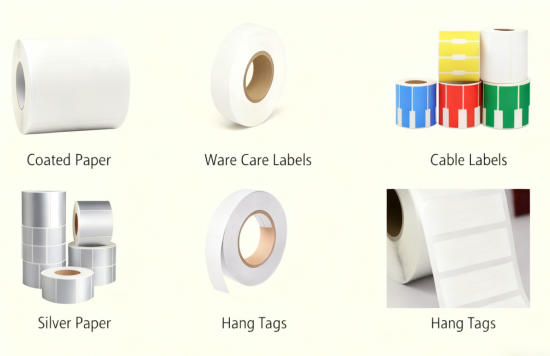
Your label substrate dictates the ribbon type:
• Paper labels → Use wax or wax-resin.
• Synthetic labels (e.g., polypropylene, PET) → Use resin for best results.
You can refer to your printer’s thermal transfer ribbon compatibility chart to verify which combinations are officially supported. Many manufacturers provide this data to ensure proper adhesion and printhead life.
2.Print Durability Requirements
Ask: How long must the print last, and under what conditions?
• Short-term labels (shipping, retail): Wax is sufficient.
• Long-term or outdoor labels: Choose wax-resin or resin.
• Harsh chemical exposure: Resin is mandatory.
3.Printer Model and Configuration
Each thermal transfer printer supports specific ribbon cores, coatings, and lengths. Check the direction of ink coating:
• Coated side in (CSI) or coated side out (CSO).
Using the wrong type can damage your printhead or produce faint prints.
4.Understanding Ribbon Roll Sizes
Ribbons come in different widths and lengths to fit your barcode printer.
• Match the width to your label roll to avoid ink waste.
• Match the length to your printer’s capacity (desktop models handle shorter rolls; industrial ones can handle longer rolls).
Typical industrial ribbons measure 110mm × 300m, but always confirm your printer specifications.
5.Cost vs Performance Balance
Wax ribbons are the most economical, but resin offers unmatched longevity. The smart approach is to align cost with application—don’t overspend on resin when paper labels suffice.
What Happens If You Use the Wrong Ribbon?
Choosing the wrong ribbon can cause:
• Faded or patchy prints
• Ink transfer failure or smudging
• Printhead damage due to incorrect coating
• Poor barcode readability or scanning errors
In production, this means wasted labels, increased reprints, and unnecessary downtime. A mismatched ribbon isn’t just an inconvenience—it’s a cost multiplier.
Best Ribbon for Polypropylene Labels
Polypropylene (PP) labels are synthetic and semi-glossy, commonly used for product packaging, chemical containers, and logistics. They require a resin ribbon for proper ink transfer and durability.
For applications like chemical drums or outdoor tags, a resin ribbon with a polyester base film ensures superior resistance to heat, abrasion, and solvents.
Key Takeaways
Choosing the right thermal transfer ribbon isn’t guesswork—it’s a technical match between material, durability, and environment. If you print high-volume paper labels, stick with wax. For synthetic or outdoor use, step up to wax-resin or full resin.
Ultimately, the “right” ribbon is the one that prints clearly, resists wear, and keeps your printhead healthy for the long run.
Frequently Asked Questions
Q1: How do I know if my ribbon is compatible with my printer?
Check your printer’s model and ribbon coating type (CSI or CSO). Refer to the manufacturer’s compatibility chart or specifications before ordering.
Q2: Can I use a resin ribbon on paper labels?
Technically yes, but it’s not ideal. Resin needs a smooth, synthetic surface to bond properly. On paper, it may flake or underperform.
Q3: What’s the lifespan of a thermal transfer print?
With the right ribbon and substrate, prints can last 2–10 years, depending on environmental exposure and handling conditions.
Q4: Are all ribbon rolls the same size?
No. Ribbon widths and lengths vary by barcode label printer. Always match the roll size to your printer’s capacity and label width for optimal performance.
Q5: Why is my print faint even with a new ribbon?
Possible causes include incorrect ribbon type, misaligned printhead pressure, or worn-out label material. Adjust thermal printer settings and confirm ribbon compatibility.
Recent posts
Previous article