Barcode Symbology Guide: How to Choose the Right Type
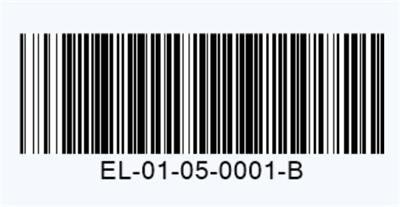
Choosing the correct barcode symbology is a foundational decision for your business operations. The wrong choice can lead to scanning failures, costly rework, and compliance issues. This guide breaks down the major 1D and 2D symbologies, providing a clear framework to match the right barcode type to your specific needs in retail, logistics, or inventory management.
Understanding Barcode Symbology: More Than Just Black and White Lines
A barcode is the visual pattern you scan. The symbology is the language behind it—the specific set of rules that dictates how data is encoded into that pattern. Selecting the right barcode symbology ensures your data is stored efficiently and can be reliably read by scanners across your supply chain.
What is a Symbology? (It's Not Just the Barcode)
Think of a symbology as the alphabet and grammar of your barcode. It defines which characters can be used (numeric only, or letters too?), how they are represented by bars and spaces, and includes error-checking features. Two barcodes can look different but contain the same data if they use different symbologies.
Key Factors That Define a Symbology
When comparing options, consider these technical traits:
Character Set: Does it encode only numbers (numeric) or letters and symbols too (alphanumeric)?
Data Density: How much data can it store in a given physical space?
Checksum/Digit: A built-in calculation that verifies the code was scanned correctly.
Industry Standards: Many sectors mandate specific symbologies (e.g., retail requires GTINs in UPC/EAN formats).
Decoding the Major 1D Barcode Symbologies: Linear Barcodes
Linear or 1D barcodes are the traditional "lines and spaces" used for decades. They are ideal for encoding a short key, like a product ID, that links to a database record.
UPC & EAN: The Kings of Retail Point-of-Sale
These numeric-only symbologies are the global standard for retail product identification. A UPC (Universal Product Code) is 12 digits, primarily used in North America. An EAN (European Article Number) is 13 digits and used worldwide. The core difference between EAN vs UPC is the numbering system and geographic prevalence, but modern POS systems universally read both. Your retail barcode symbology selection for selling products is almost always one of these.
Code 128 vs. Code 39: The Workhorses of Logistics and Inventory
This is a common comparison for internal operations. Code 39 is an older, simpler alphanumeric symbology. It's less dense (produces longer barcodes) and lacks a robust built-in checksum. Code 128 is a more modern, high-density alphanumeric symbology with a mandatory checksum for superior accuracy. For most new systems, Code 128 is the best barcode for inventory and logistics due to its reliability and compact size.
ITF-14 & GS1-128: For Shipping and Advanced Logistics
These symbologies are built for the supply chain. ITF-14 encodes a 14-digit Global Trade Item Number (GTIN) on corrugated shipping cartons. GS1-128 (formerly UCC/EAN-128) is a variant of Code 128 used to encode not just an ID, but structured data like batch numbers, expiration dates, and weights, making it critical for advanced logistics tracking.
Exploring 2D Barcodes: Beyond the Linear
2D symbologies store data in both dimensions (like a grid), allowing them to hold hundreds of characters directly within the code itself, without needing a database connection for simple data.
QR Codes: The Public-Facing Data Powerhouse
QR codes are highly versatile, can encode URLs, text, and contact info, and feature error correction for damaged codes. They are perfect for marketing, consumer engagement, and linking to web resources. While usable internally, they are often not the optimal choice for high-speed industrial scanning.
DataMatrix: The Industrial-Grade Tiny Titan
In the QR code vs DataMatrix debate for industrial use, DataMatrix often wins. It packs a high data density into an extremely small footprint, making it ideal for direct part marking (DPM) on electronics, medical devices, and small components. Its reliability in harsh conditions is superior.
PDF417: The Portable Data File for Documents
PDF417 is a stacked linear symbology that can store over a kilobyte of data. It's commonly used to encode all the necessary information on documents like driver's licenses, boarding passes, and government forms, making the document itself a "portable data file."
How to Choose the Right Barcode Symbology: A Decision Framework
Follow these steps to make a confident selection for your barcode symbology.
Step 1: Define Your Data and Industry Requirements
What must you encode? A short numeric ID? A long alphanumeric serial number? Is there an industry mandate? Retail requires UPC/EAN. Healthcare may require HIBC. Logistics partners often require GS1 standards. This step narrows the field immediately.
Step 2: Assess Your Physical Environment and Scanning Needs
Consider space constraints: How small does the barcode need to be? What is the scanning distance? What is the surface material (smooth plastic, textured metal, corrugated cardboard)? 2D codes like DataMatrix excel on small, curved, or harsh surfaces.
Step 3: Match Symbology to Your Primary Use Case
Retail Point-of-Sale: UPC-A or EAN-13.
Warehouse Inventory & Asset Tracking: Code 128 or DataMatrix.
Shipping Cartons: ITF-14 or GS1-128.
Small Part/Component Marking: DataMatrix.
Marketing & Consumer Engagement: QR Code.
Common Pitfalls to Avoid in Barcode Symbology Selection
Mistake #1: Prioritizing Short-Term Cost Over Long-Term Function
Choosing an older symbology like Code 39 because it seems simpler or cheaper to print can backfire. Its lower density and weaker error checking may limit data growth and cause scanning failures, leading to higher long-term costs.
Mistake #2: Ignoring Industry Standards and Partner Requirements
Your barcode symbology must work within your ecosystem. If your largest retailer requires EAN-13 or your logistics provider mandates GS1-128, your internal preference is irrelevant. Compliance is non-negotiable.
Mistake #3: Underestimating the Importance of Print Quality & Verification
A barcode is a precision graphic. Poor print quality, low contrast, or incorrect size will cause scans to fail, regardless of your symbology choice. Always verify printed codes with a quality verifier to ensure they meet ISO standards.
Final Recommendations: Selecting Your Barcode Symbology
Use this quick-reference table to guide your final decision on barcode symbology:
| Use Case | Recommended Symbology | Key Reason |
|---|---|---|
| Products in any retail store | UPC-A or EAN-13 | Global POS standard |
| Internal inventory, warehouse bins | Code 128 | Dense, reliable, alphanumeric |
| Small electronics, medical parts | DataMatrix | Extreme density in tiny space |
| Shipping cartons & pallets | ITF-14 or GS1-128 | Industry standard for logistics |
| Marketing, URLs, contact info | QR Code | Universal consumer recognition |
The right barcode symbology acts as a seamless bridge between your physical items and your digital data. By systematically evaluating your data needs, environment, and industry context, you can select a symbology that ensures efficiency, accuracy, and scalability for years to come.
FAQ: Your Barcode Symbology Questions Answered
What is the main difference between a 1D and a 2D barcode symbology?
1D barcodes (like UPC) store data horizontally in a linear pattern of varying-width bars, typically holding a short reference number. 2D barcodes (like QR or DataMatrix) store data in both horizontal and vertical grids, allowing them to hold much more data—including text, numbers, and even binary data—directly within the symbol.
Can I use a QR code for internal inventory tracking instead of a traditional barcode?
Yes, you can. QR codes can store serial numbers or asset IDs. However, for high-speed, high-volume industrial scanning (like on a conveyor), dedicated industrial 2D symbologies like DataMatrix or linear codes like Code 128 are often more reliable and efficiently scanned by fixed-position scanners.
My supplier uses Code 39, but I've heard Code 128 is better. Should I switch?
For any new system, Code 128 is generally the better choice. It's more compact, includes a stronger error check, and is globally standardized. If you control the labeling process, switching to Code 128 will improve reliability. If you're only receiving pre-labeled items, your scanners simply need to be configured to read both symbologies.
Are UPC barcodes only for products sold in the United States?
While UPC originated in the U.S., modern point-of-sale systems worldwide can read both UPC and EAN codes. However, for selling products internationally, an EAN-13 (which includes a country code) is the formal global standard and is often required by retailers outside North America.
How much data can a single DataMatrix code actually hold?
A standard DataMatrix code can hold up to 2,335 alphanumeric characters or 3,116 numeric characters. In practice, for item identification, they are used to encode much shorter strings (like a 20-character serial number) in a symbol as small as a few millimeters square.