How QR Codes Are Changing Food Packaging and Product Transparency
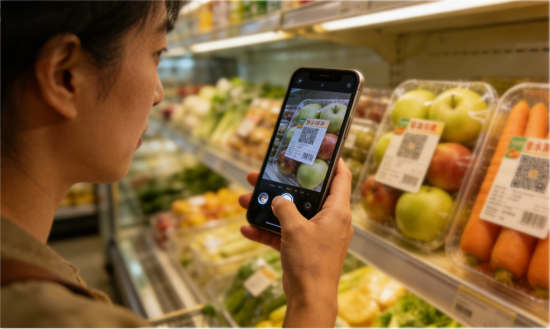
In the food industry, packaging has traditionally been used to display fixed information such as ingredients, nutrition facts, and expiration dates. Today, QR code food packaging is extending this role by connecting physical products to digital information. When a QR code is placed on food packaging, it turns the package into an interactive information gateway rather than a static label.
This shift is driven by rising expectations around food safety, transparency, and traceability. For food manufacturers, regulators, and consumers alike, QR codes offer a practical way to access detailed, up-to-date information that cannot be fully communicated through printed labels alone.
What Does QR Code Food Packaging Mean?
QR code food packaging refers to the use of Quick Response (QR) codes printed on food packages to provide access to digital information related to a specific product. When scanned with a smartphone or scanner, the QR code directs users to data associated with the food item, such as product details, origin, batch information, or safety disclosures.
Unlike traditional printed labels, which are limited by space and remain unchanged after production, QR codes act as dynamic information links. They allow food products to carry far more information than what is physically printed on the package, without increasing label complexity or design constraints.
The Role of QR Codes in Modern Food Packaging
A common misconception is that QR codes on food packaging are primarily marketing tools. While they can support consumer engagement, their role in the food industry goes far beyond promotion.
In practice, QR codes serve as:
✅ A digital extension of the food label
✅ An access point to traceability data
✅ A bridge between physical packaging and backend information systems
By scanning a QR code, users are not simply viewing a graphic; they are retrieving structured data linked to that specific product or batch. This capability makes QR codes especially valuable in environments where accuracy, accountability, and data consistency matter.
Why the Food Industry Is Adopting QR Code Packaging
The growing adoption of QR code food packaging is driven by practical industry needs rather than novelty. Food supply chains are increasingly complex, and stakeholders require better visibility into how products are sourced, processed, and distributed.
QR codes help address several key challenges:
• Information transparency
Food labels often cannot accommodate all relevant details. QR codes allow manufacturers to provide additional information such as sourcing practices, allergen explanations, and sustainability claims without overcrowding the package.
• Food safety and traceability
In the event of quality issues or recalls, QR codes can link products to batch-level or item-level records, enabling faster identification of affected products.
• Regulatory support
As food labeling and traceability requirements evolve, QR codes offer a flexible way to supplement mandatory information without redesigning packaging for every regulatory update.
• Consumer trust
Providing accessible and verifiable product information helps build confidence in food brands, especially in categories where origin and processing methods matter.
Common Applications of QR Codes on Food Packaging
QR codes are used across a wide range of food packaging scenarios, depending on product type and business needs. Typical applications include:
✅ Product origin and sourcing information, such as farm location or ingredient provenance
✅ Batch and production details, supporting internal tracking and external inquiries
✅ Ingredient, allergen, and nutrition explanations beyond what fits on the label
✅ Food safety and quality certifications, including inspection or compliance statements
✅ Consumer access to product updates, such as storage guidance or usage information
Across these use cases, the QR code functions as a consistent access point to reliable product data.
In practical terms, most food manufacturers generate and apply these QR codes at scale during the packaging process.
QR codes on foods are typically printed in batches using barcode printers integrated into production or packaging lines. This allows QR codes to be applied consistently across large volumes of packaging while maintaining alignment with product batches, packaging dates, or internal tracking records.
By using barcode printing systems, food producers can ensure QR codes remain clear, scannable, and uniform across different packaging formats. This approach also supports high-speed production environments, where labeling accuracy and efficiency are critical.
Conclusion
QR code food packaging represents a practical evolution of how information is delivered through food labels. By linking physical packaging to digital data, QR codes allow food products to carry richer, more accessible information without increasing label complexity.
Rather than serving as simple marketing elements, QR codes on food packaging support transparency, traceability, and trust across the food supply chain. As food systems continue to demand greater visibility and accountability, QR code food packaging is becoming an increasingly important tool for modern food operations.