The Barcode Printer Market in 2026: Navigating Growth, Technology Shifts, and Vertical Opportunities
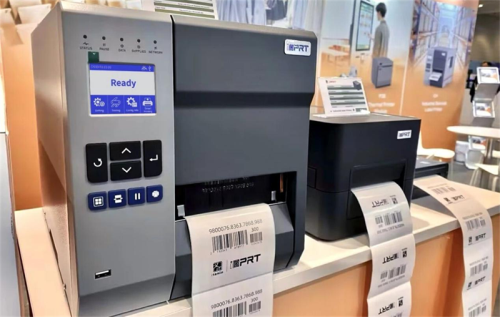
The global barcode printer market remains a quiet but essential backbone of modern supply chains, healthcare delivery, and retail operations. According to Mordor Intelligence, the market is valued at roughly USD 4.9 billion in 2026 and is projected to grow to about USD 5.98 billion by 2031, at a healthy 4.05% CAGR.
While this growth may not grab headlines like AI or robotics, it reflects a steady, compliance-driven demand for automated identification and data capture (AIDC) across industries.
Key Drivers Behind the Growth of Barcode Printers
Several structural trends are pushing more organizations to invest in barcode printers, not just to replace aging hardware but to upgrade to smarter, more connected devices.
E-Commerce and Omnichannel Logistics
E-commerce and omnichannel logistics require real-time label printing at fulfillment centers to match dynamic order volumes. Retailers that synchronize on-demand printing with routing and warehouse-management systems often see error rates fall to near zero, while fulfillment throughput rises sharply.
Industry 4.0 and Smart Factories
Industry 4.0 and smart factories rely on serialized barcodes to link machines, components, and ERP systems. Automated data capture can cut manual entry errors by up to 90% and improve material-handling efficiency by around 40%, making barcode printers a core part of industrial digitization.
Regulatory Pressures in Healthcare and Food Industries
Regulations such as the FDA's FSMA 204 and GS1-mandated DataMatrix codes for medical devices require high-resolution, durable labels that must survive cold-chain storage and sterilization cycles. These forces are pushing the barcode printer from a "commodity" into a mission-critical asset whose performance affects accuracy, compliance, and service levels.
Technological Advances and Evolving Printer Formats
Today's barcode printer market is no longer just about printing 1D UPCs onto sticky labels; it encompasses multiple technologies and mobility tiers.
By product type
Industrial barcode printers remain the revenue leaders, accounting for about 56.6% of the market in 2025. These rugged, high‑throughput devices are common in manufacturing and logistics sites that run 24/7 and need wide media, metal frames, and long‑life printheads.
Mobile printers are the fastest-growing segment, with a projected 5.95% CAGR through 2031. Field service technicians, healthcare workers, and last‑mile delivery teams increasingly rely on compact, battery-powered units that can print tags or wristbands on site and feed data directly into enterprise systems.
Desktop models still hold a niche in small and medium businesses that need industrial-grade quality without massive capital outlay.
By printing technology
Thermal transfer currently dominates, taking roughly 60.5% of the market, thanks to its ability to print durable labels that withstand solvents, UV light, and freezing conditions—critical for pharmaceuticals, chemicals, and aerospace.
Direct thermal is gaining share with a 6.4%+ CAGR, as retailers and express carriers favor the lower consumable cost even though labels can fade over time or under heat.
Inkjet and laser printers are emerging for specialized uses such as color‑coded GHS hazard labels or very small 2D codes on electronics packaging.
Sustainability and Innovation in the Barcode Printer Industry
Linerless Labels: A Sustainable Alternative
One of the more under-discussed but impactful shifts is the rise of linerless labels—roll media that skips the traditional silicone liner. Organizations adopting linerless systems report up to 30% less waste volume, which helps them meet ESG and circular-economy targets. Linerless labels also improve print throughput by reducing trailing-edge issues and liner jams, making it attractive in high-volume distribution centers and cross-docks.
The Role of Barcode Printers in Regulated Industries
Healthcare and regulated industries are driving further innovation in barcode printing, especially with the rise of tamper-evident labeling, antimicrobial casing, and cybersecurity certifications. Barcode printers are increasingly expected to meet specialized needs for medical and pharmaceutical applications, ensuring compliance and patient safety.
Geographical Dynamics: North America vs. Asia-Pacific
North America: Market Leader
North America remains the largest market for barcode printers, with about 31.4% share in 2025 and a projected value of USD 1.86 billion by 2031. The region is anchored by federal procurement (for example, large device refresh programs at the United States Postal Service), strict drug-supply-chain rules, and advanced omnichannel retail infrastructure.
Asia-Pacific: The Fastest Growing Region
Asia-Pacific is the fastest-growing region, on track to rise from USD 1.33 billion in 2025 to over USD 1.75 billion by 2031, with a 4.72% CAGR. China and India are building new factories for electronics and apparel, each requiring inline labeling for export, while Japan and Southeast Asia deepen Industry 4.0 integration. Local champions such as Gainscha and HPRT are expanding global distribution, challenging established Western brands on price and connectivity.
Competitive Landscape: Market Leaders and Challengers
The barcode printer market is moderately concentrated, with leaders such as Zebra Technologies, Honeywell, SATO, Toshiba Tec, and Avery Dennison leveraging large installed bases and expanding software ecosystems, including cloud-based fleet management for remote updates and analytics.
At the same time, competition is intensifying as manufacturers from China expand globally. Brands like HPRT are gaining traction by offering cost-effective, well-connected barcode and receipt printing solutions, particularly in emerging and price-sensitive markets.
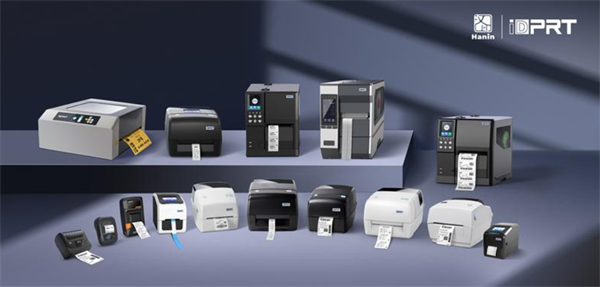
Recent strategic moves signal a shift beyond hardware — including Xerox's acquisition of Lexmark and SATO's acquisition of Checkpoint's BCS Group — highlighting ongoing consolidation and broader solution capabilities across the industry.
Practical Considerations for Barcode Printer Buyers
Prioritize Workflow Over Specifications
When evaluating barcode printers, businesses should prioritize selecting devices that fit into the larger digital workflow—whether it's ERP, MES, or cloud-WMS systems—rather than focusing solely on specs. Devices that align with both the physical environment and the digital needs will deliver better return on investment (ROI).
Focus on Lifecycle and Service
Remote management, predictive maintenance, and recycling programs are becoming as important as print speed and resolution, especially in regulated environments. Barcode printer buyers should factor in the total lifecycle of a device, including service contracts and maintenance capabilities, before making a purchasing decision.
Some data in this article is sourced from Mordor Intelligence.