Guide to Barcode Label Materials: Paper vs Polypropylene vs Polyester
A barcode that cannot be scanned is worse than no barcode at all. It causes supply chain bottlenecks, lost assets, and manual data entry errors. The culprit is rarely the printer—it is usually the barcode label material.
With hundreds of combinations of face stocks, adhesives, and liners available, choosing the right material can be overwhelming. Should you use paper? What is the difference between Polypropylene and Polyester? Do you need a specific ribbon?
This guide will introduce the most common barcode label materials to help you choose the perfect match for your environment, budget, and application.
Step 1: Understanding the Print Technology (DT vs. TT)
Before selecting a material, you must know your printing method. The material must be compatible with your printer hardware.
1. Direct Thermal (DT)
• How it works: The printhead heats chemically treated paper, turning it black. No ribbon is used.
• Material constraints: You must use specific "Direct Thermal" coated materials.
• Best for: Short-term applications (Shipping labels, food receipts) because the material turns black if exposed to heat or sunlight over time.
2. Thermal Transfer (TT)
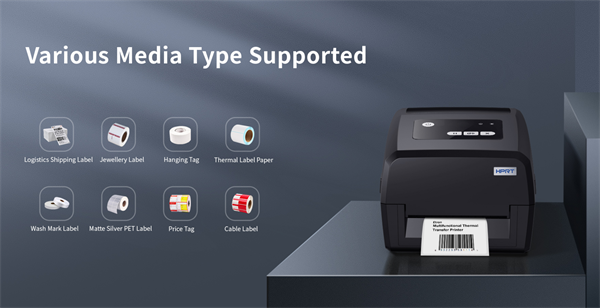
• How it works: The printhead melts ink from a ribbon onto the label material.
• Material flexibility: Can print on paper, polypropylene, polyester, and more.
• Best for: Long-term applications (Asset tagging, outdoor storage, cold chain).
Step 2: The 3 Main Types of Barcode Label Materials
When industry experts talk about "Face Stock" (the top layer of the label), they typically refer to these three categories:
1. Paper Labels (The Economy Choice)
Paper is the most common and cost-effective material. It is ideal for controlled, indoor environments where moisture and abrasion are not factors.
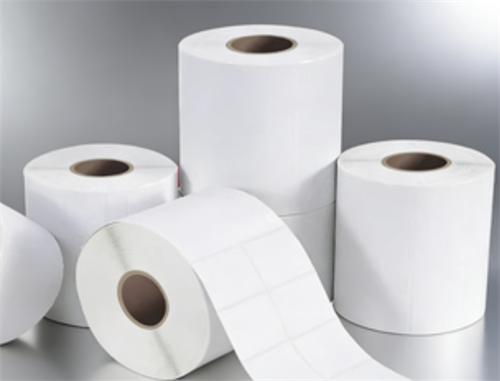
• Durability: Low. Rips easily and absorbs water.
• Cost: Low ($) – Most budget-friendly option.
• Ideal Use Cases: Shipping labels, inventory picking, retail price tags, work-in-process (WIP).
2. Polypropylene (PP) Labels (The Synthetic All-Rounder)
Polypropylene is a plastic-based material that offers excellent resistance to water and tearing. It is flexible, making it slightly easier to apply to curved surfaces than harder plastics.
• Durability: Medium-High. Waterproof and tear-resistant.
• Cost: Moderate – Typically 2-3x the cost of paper.
• Ideal Use Cases: Product packaging, drums, laboratory samples, chilled food labeling, outdoor retail (garden centers).
3. Polyester (PET) Labels (The Heavy-Duty Standard)
Polyester is the most durable standard barcode label material. It is rigid, extremely resistant to heat, chemicals, and UV light. If you need a label to last 5+ years, you choose PET.
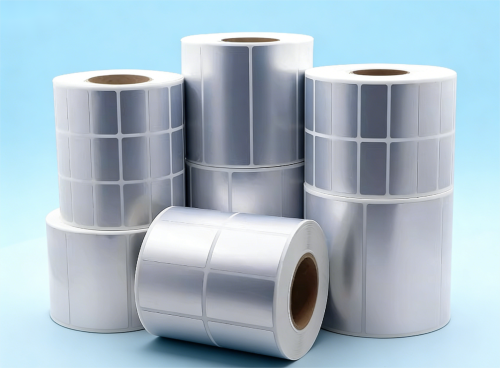
• Durability: Extreme. Resists harsh chemicals (acetone, oil) and high temperatures.
• Cost: High – The premium choice for longevity..
• Ideal Use Cases: Asset tagging, electronic component labeling (PCB), outdoor machinery, automotive parts.
Pro Tip: When using Polyester or Polypropylene, you must use a Resin or Wax/Resin ribbon. A standard Wax ribbon will smear on synthetic materials.
Comparison Table: Paper vs. PP vs. PET
Feature | Paper Labels | Polypropylene (PP) | Polyester (PET) |
Material Type | Natural Fiber | Synthetic Plastic | Synthetic Plastic |
Tear Resistance | Low (Rips easily) | High (Does not rip) | High (Does not rip) |
Waterproof | No | Yes | Yes |
Outdoor Life | Very Short (<1 month) | Medium (6-12 months) | Long (3+ Years) |
Relative Cost | Low | Moderate | High |
Best Ribbon | Wax | Wax/Resin | Full Resin |
Step 3: Don't Forget the Adhesive
The face stock is what you see, but the adhesive is what makes it stick. Choosing the wrong adhesive is a common cause of label failure.
1. Permanent Acrylic: The industry standard. Sticks to most smooth surfaces (cardboard, plastic, glass).
2. Removable: Designed to be peeled off without leaving sticky residue. Essential for furniture, glass, or temporary marketing labels.
3. High-Tack (Rubber-based): An aggressive adhesive for rough or textured surfaces like tires, concrete, or rusted metal.
4. Freezer Grade / Cryogenic: Standard adhesives harden and fall off in freezing temps. Freezer grade adhesive remains tacky even at -40°C or below.
Decision Framework: Which Material Do You Need?
To finalize your decision, answer these three questions:
1. How long does the label need to last?
• Less than 6 months? Go with Paper.
• 1-2 years? Go with Polypropylene.
• The lifetime of the product? Go with Polyester.
2. What is the environment?
• Office/Warehouse? Paper.
• Wet/Humid/Refrigerated? Polypropylene.
• Outdoor/High Heat/Chemical Exposure? Polyester.
3. What surface are you sticking to?
• Cardboard box? Standard adhesive.
• Rough pallet or tire? High-Tack adhesive.
• Frozen food package? Freezer-grade adhesive.
Frequently Asked Questions (FAQ)
Q: Can I use paper labels for outdoor applications?
A: No. Paper labels will yellow under UV light and disintegrate when exposed to rain or high humidity. For outdoor use, always select Polyester (PET) with a Resin ribbon.
Q: What is the difference between Polyimide and Polyester?
A: Polyimide (often known by the brand name Kapton®) is a specialized material designed for extreme heat (up to 500°C+). It is primarily used in electronics manufacturing (PCB tracking). Polyester is for general high-durability tracking.
Q: Why is my synthetic label smearing?
A: You are likely using the wrong ribbon. Synthetic materials (PP and PET) usually require a Resin or Wax-Resin ribbon. If you use a Wax ribbon on plastic labels, the ink will not bond and will smudge instantly.
Whether you require cost-effective solutions for shipping or industrial-grade durability for asset tracking, the key is matching the face stock to your specific environment. The wrong choice can lead to costly re-labeling projects, while the right choice ensures seamless efficiency.