Asset Tracking Barcode Labels: A Complete Guide
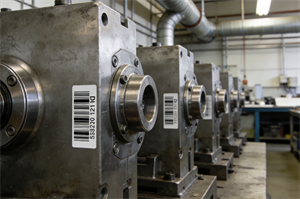
Every piece of equipment, from a laptop to a manufacturing robot, has a lifecycle and a cost. Managing these assets manually is a recipe for lost time, money, and control. This is where a systematic approach using asset tracking barcode labels transforms chaos into clarity. By tagging each item with a unique identifier, organizations gain instant visibility into what they own, where it is, and how it's performing.
More than just an inventory tool, these labels form the critical link between physical assets and digital maintenance records. They empower teams to move from reactive fixes to proactive, data-driven equipment maintenance.
How Barcode Label Printing Powers Asset Management
The process starts with barcode label printing for fixed assets. Each label is more than a sticker; it's a digital passport for an item. When scanned, it pulls up a complete history in your asset management software. This includes purchase details, location, maintenance schedules, repair logs, and depreciation status. The result is a single source of truth that eliminates guesswork and manual data entry errors.
Consider a facilities team responsible for hundreds of HVAC units across multiple buildings. With equipment asset barcode labels on each unit, a technician can scan, instantly see the service history, log a new repair, and order parts—all from a mobile device on-site. This efficiency directly reduces downtime and operational costs.
Selecting Durable Asset Barcode Labels for Any Environment
Not all labels are created equal. A paper label that works in an office will fail in a warehouse, factory, or outdoor yard. The longevity of your asset tracking system depends heavily on the physical durability of the label itself.
Choosing the right materials is essential for reliable scanning over an asset's entire lifespan.
Key Factors in Label Durability
Material: Polyester, polypropylene, or metal tags resist moisture, chemicals, and abrasion far better than paper.
Adhesive: High-tack, permanent adhesives are needed for textured surfaces, while some environments may require removable options.
Overlaminate: A protective clear top coat shields the printed barcode from UV fading, scratches, and grime.
Print Technology: Thermal transfer printing with resin ribbons produces barcodes that are vastly more durable than standard inkjet or direct thermal prints.
Integrating Barcode Printing for Equipment Maintenance Workflows
Barcode printing for equipment maintenance closes the loop between tracking and action. When maintenance is tied to a scannable asset ID, workflows become streamlined and accountable.
Preventive maintenance schedules trigger automatically based on scan events or time intervals. A technician's scan confirms they are at the correct asset and opens the specific checklist for that machine model. After completing tasks, they scan again to log labor hours and parts used, creating an auditable trail. This data then informs future decisions, predicting when a component might fail or when an asset should be replaced.
Best Practices for Implementing Your Barcode System
Successful implementation goes beyond just ordering tags. A thoughtful plan ensures your barcode labels for asset tracking deliver maximum return on investment.
Standardize Your Data: Define what information (serial number, location, model) will be linked to each barcode before you begin printing.
Start with Critical Assets: Roll out the system with high-value or frequently maintained equipment first to demonstrate quick wins.
Train Your Team: Ensure all relevant staff, from warehouse to finance, understand how to scan and the importance of data accuracy.
Plan for Placement: Affix labels in a consistent, visible, and safe location on each asset type to ensure easy and repeatable scanning.
Moving Forward with Confidence
Implementing a system built on reliable asset tracking barcode labels is a strategic investment in operational intelligence. It turns invisible assets into visible, manageable resources. The initial effort to standardize and tag your equipment pays continuous dividends through reduced search times, optimized maintenance budgets, and extended asset lifespans. In an era driven by data, these small labels provide the critical first step in capturing the information you need to make smarter, more cost-effective decisions for your organization's physical infrastructure.
FAQs About Asset Tracking Barcode Labels
What information is stored in an asset barcode?
The barcode itself typically holds only a unique ID number. This number acts as a key to pull the asset's full profile—description, location, maintenance history—from your central database software.
Can barcode labels withstand outdoor or harsh industrial conditions?
Yes, with the right materials. Durable asset barcode labels made from polyester with chemical-resistant adhesives and protective overlaminates are designed specifically for harsh environments, including extreme temperatures and exposure to solvents.
How do barcodes improve equipment maintenance?
They eliminate manual data entry errors, ensure technicians access the correct service manual, provide instant history, and allow for precise logging of maintenance actions, leading to more accurate preventive schedules and root-cause analysis.
What's the difference between QR codes and traditional barcodes for asset tracking?
Traditional linear barcodes are simple and reliable for storing an ID number. QR codes can store more data (like a serial number or URL) directly in the code and are easier to scan from any angle, offering more flexibility in some use cases.
Recent posts
Previous article
Barcode Label Skipping: Diagnosing and Fixing Blank Labels
Next article