Thermal Printer Mechanisms in Banking: Applications, Advantages, and Use Cases
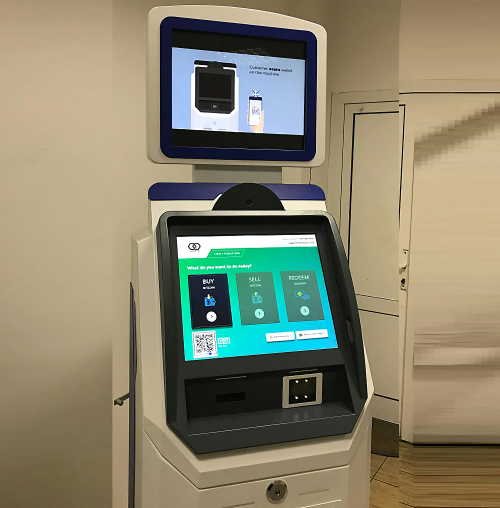
Thermal printer mechanisms play a critical role in modern banking environments where speed, reliability, and clarity are essential. From ATMs and teller counters to self-service kiosks, banks rely on thermal printing technology to deliver immediate, accurate transaction records without the complexity of ink-based systems.
Unlike complete printers, thermal printer mechanisms are the core printing assemblies embedded inside banking equipment. Their compact design, fast output, and low maintenance requirements make them especially suitable for high-volume financial transactions where downtime is not an option.
As banking operations continue to move toward automation and self-service, thermal printer mechanisms remain a foundational component supporting both traditional branches and digital banking infrastructure.
Why Thermal Printer Mechanisms Are Widely Used in Banking
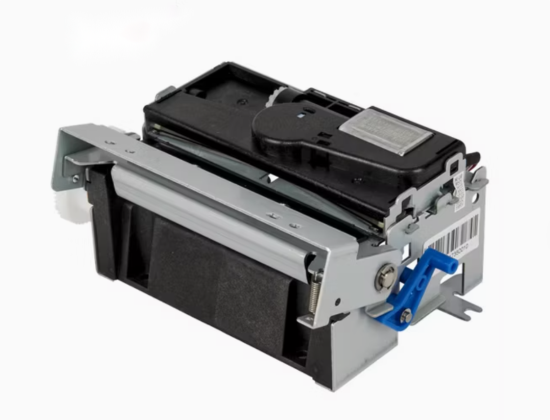
Banks process thousands of transactions daily, often across systems that operate 24/7. Thermal printer mechanisms meet these demands more effectively than many alternative printing technologies.
Key reasons banks rely on thermal printer mechanisms include:
• High-speed printing for fast transaction processing
• Inkless operation, eliminating consumables and reducing operating costs
• Compact form factors that fit easily into ATMs and kiosks
• Low mechanical complexity, resulting in fewer failures
• Quiet operation, improving the customer experience in branches
These characteristics make thermal printer mechanisms a practical choice for both customer-facing and back-office banking applications.
Common Banking Applications of Thermal Printer Mechanisms
Receipt Printing in ATMs and Teller Counters
One of the most common uses of thermal printer mechanisms in banking is transaction receipt printing. ATMs and teller stations rely on thermal mechanisms to produce clear, legible receipts immediately after transactions.
Thermal printing ensures:
• Sharp text and numeric data
• Reliable barcode and QR code output
• Consistent print quality during peak usage hours
With print speeds often exceeding 200 mm/s, thermal mechanisms help reduce customer wait times during busy periods.
Passbook, Slips, and Transaction Records
Thermal printer mechanisms are also used to print:
• Bankbook or passbook updates
• Deposit and withdrawal slips
• Transfer confirmations and payment records
These outputs provide customers with durable, easy-to-read transaction records. In some banking environments, portable or counter-based thermal mechanisms are connected to internal systems or mobile terminals to support flexible service workflows.
Queue Management and Ticket Systems
In physical bank branches, thermal printer mechanisms support queue and ticketing systems. These systems issue numbered tickets, validation slips, or confirmation stubs that help manage customer flow.
Thermal mechanisms are ideal for this purpose because they:
• Print quietly and quickly
• Handle repetitive output without jamming
• Produce consistent, scannable tickets for system tracking
Self-service kiosks often rely on the same technology to issue secure tokens or confirmation slips.
Technical Requirements for Banking-Grade Thermal Printer Mechanisms
Not all thermal printer mechanisms are suitable for banking use. Financial institutions typically require mechanisms that meet specific technical standards, such as:
• Paper width: 58 mm or 80 mm
• Resolution: 203 dpi or 300 dpi for clear text and barcodes
• Print speed: ≥ 200 mm/s
• Long service life: print heads rated for tens of kilometers
• Stable paper feeding: to avoid jams and misalignment
Consistency and reliability are especially important, as printing failures can interrupt transactions or affect customer trust.
Future Trends: Thermal Printer Mechanisms in Smart Banking
As banks modernize their infrastructure, thermal printer mechanisms continue to evolve. Emerging trends include:
✅ Wireless and IoT-enabled mechanisms for smart kiosks
✅ More compact designs for space-constrained digital branches
✅ Energy-efficient components aligned with sustainability goals
✅ Improved integration with automated and self-service systems
Rather than being replaced, thermal printer mechanisms are evolving to support the next generation of intelligent banking environments.
As banks continue to adopt automation and smart branch concepts, these mechanisms will remain a reliable and efficient solution for producing clear, immediate printed records, supporting both operational efficiency and customer satisfaction.