How to Print Traceability Barcodes for Fresh Produce and Cold-Chain Logistics
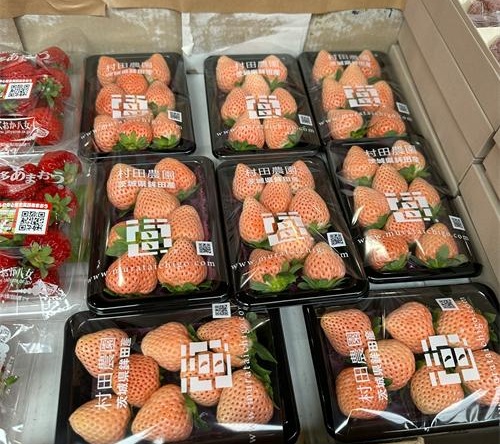
Ensuring traceability in fresh produce and cold-chain logistics is no longer optional—it’s a regulatory requirement and a core part of food safety programs worldwide. Barcodes play a central role in this ecosystem, helping producers, distributors, and retailers track product origin, temperature integrity, and movement across the supply chain.
This guide outlines the essential steps for printing reliable, compliant traceability barcodes specifically for fresh produce and temperature-controlled logistics.
Why Traceability Barcodes Matter for Fresh Produce & Cold Chains
Fresh produce moves quickly and often through complex routes. Cold-chain products, meanwhile, depend on uninterrupted temperature controls. When traceability breaks down, the consequences escalate—spoilage, recalls, and regulatory violations.
Barcodes support:
• Product origin tracking (farm, packing house, harvest date)
• Compliance with global food traceability standards
• Real-time cold-chain monitoring
• Faster, more accurate recalls
Global initiatives such as GS1 Fresh Foods Traceability, FDA’s FSMA Rule 204, and various regional food safety regulations reinforce the need for reliable barcode labeling.
Choosing the Right Barcode Types for Fresh Produce Traceability
Not all barcode formats perform equally in cold-chain environments. The most widely used formats include:
1. GS1-128 Barcodes
Ideal for carton and case-level labels.
Carries Application Identifiers (AIs) such as:
• (01) GTIN
• (10) Batch/Lot Number
• (17) Expiration Date
• (13) Pack Date
2. GS1 DataMatrix (2D)
Useful when space is limited or more data is needed.
Often used for:
• Individual produce units
• Temperature-sensitive ready-to-eat foods
3. QR Codes with GS1 Digital Link (Emerging Use)
Allows embedding traceability + consumer engagement (optional).
Key decision rule:
Use GS1-128 for logistics cases and DataMatrix for small items or labels exposed to moisture or cold.
Selecting Label Materials & Ribbon Types for Cold-Chain Conditions
Cold environments introduce challenges—condensation, frost, low temperatures, and rough handling. To ensure scanning reliability:
A. Label Materials
• Synthetic labels (PP, PE) → moisture-resistant, ideal for refrigeration & freezing
• Paper labels → suitable for ambient produce, but less durable in cold or wet conditions
• Cryogenic labels → for extreme cold (< –40°C), mainly used in biotech but relevant for deep-freeze storage
B. Adhesives
• All-temperature adhesive (–20°C to +80°C) → best for produce boxes
• Cold-temperature adhesive → bonds immediately even on cold, damp surfaces
C. Printing Methods
Direct Thermal (DT)
• Simple and ribbon-free
• Works for short-life produce
• Not ideal for long cold-chain journeys due to heat sensitivity
Thermal Transfer (TT)
• Best durability in freezing, moisture, and friction
• Recommended ribbon types: resin or wax-resin
What Data to Encode for Traceability Compliance
Traceability relies on structured, standardized data. For fresh produce and cold-chain products, the following elements are commonly required (and often mandated):
Core Data Elements
• GTIN (product identifier)
• Lot/Batch Number
• Harvest/Production Date
• Use-by or expiration date
• Facility ID (GLN)
• Quantity / weight
Optional Operational Data
• Temperature logs
• Supplier ID
• Country of origin
To comply with FDA FSMA Rule 204, certain produce products require Key Data Elements (KDEs) and Critical Tracking Events (CTEs) recorded throughout the supply chain.
Step-by-Step: How to Print Traceability Barcodes Effectively
Step 1: Select the Proper Barcode Symbology
Choose GS1-128 (logistics), DataMatrix (small surfaces), or QR/GS1 Digital Link when applicable.
Step 2: Generate Data Using GS1 Standards
Encode GTIN + batch/lot + date info using GS1 Application Identifiers.
Use certified GS1 software or compliance modules.
Step 3: Choose the Right Printer
For cold-chain durability, thermal transfer printers are preferred.
Step 4: Print Using Resin or Wax-Resin Ribbon
Ensures barcodes remain scannable despite condensation or abrasion.
Step 5: Verify Print Quality
Check:
• Contrast
• Quiet zones
• Module size
• Scan grade (ISO/IEC verification helps ensure compliance)
Step 6: Apply Labels Correctly
• Apply to a clean, dry area when possible
• Avoid edges or surfaces prone to frost buildup
• Use high-tack adhesive for cold, wet boxes
Cold-Chain Logistics: Additional Best Practices
To maintain traceability from farm to retailer:
• Use pallet-level SSCC labels for warehouse scanning efficiency
• Maintain temperature logs linked to batch numbers
• Implement automated barcode scanning at receiving, storage, and dispatch
• Standardize label placement across all partners to prevent scan errors
Smart sensors (IoT temperature trackers) can complement barcodes but do not replace GS1-standard labeling.
Final Thoughts
Traceability barcodes are the backbone of modern fresh-food and cold-chain logistics. By choosing the right barcode type, materials, and printing method—and aligning with GS1 and regulatory requirements—manufacturers and distributors can ensure reliable tracking from harvest to delivery.