Serial Number on a Barcode: Meaning, Purpose, and Industry Applications
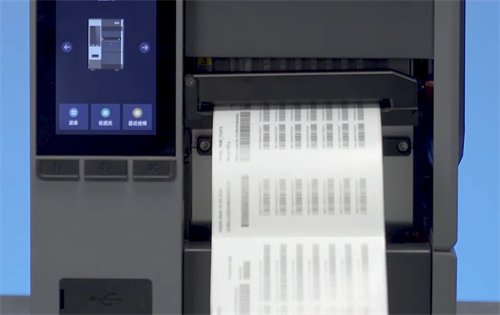
In regulated industries, a barcode is more than a scannable label. When a serial number is encoded on a barcode, it transforms a product from a generic item into a uniquely identifiable unit. This distinction is especially critical in sectors such as pharmaceuticals, medical devices, and high-value manufacturing, where traceability, compliance, and accountability are mandatory rather than optional.
Understanding what a serial number on a barcode actually represents—and why industries rely on it—helps clarify how modern supply chains achieve item-level visibility and control.
What Is a Serial Number on a Barcode?
A serial number on a barcode refers to a unique identifier assigned to an individual product unit and encoded within the barcode data itself. Unlike batch or lot numbers, which group multiple items together, a serial number distinguishes one specific unit from all others, even if they belong to the same production batch.
When the barcode is scanned, the system does not simply recognize the product type. It retrieves the serial number embedded in the code, allowing software systems to identify that exact unit, its history, and its status within the supply chain.
This is why serial numbers are essential for item-level tracking, rather than basic product identification.
Serial Number vs. Barcode: Understanding the Relationship
A common point of confusion is the assumption that a serial number and a barcode are the same thing. In practice, they serve different roles.
The barcode is a data carrier—a machine-readable symbol such as a DataMatrix, QR code, or linear barcode.
The serial number is a piece of data encoded inside that symbol.
In other words, the barcode is the container, and the serial number is one of the key data elements it carries. Alongside the serial number, a barcode may also encode information such as a product identifier, expiration date, or batch number. Scanning the barcode simply decodes this information and sends it to connected systems.
This separation is what allows the same barcode format to be used across different industries while supporting unique serialization requirements.
Why Serial Numbers Are Encoded in Barcodes
Industries do not adopt serialization for convenience—it is driven by operational and regulatory necessity.
Encoding serial numbers into barcodes enables item-level traceability, meaning each individual unit can be tracked independently as it moves through manufacturing, distribution, and end use. This capability supports several critical objectives:
✅ Anti-counterfeiting: A serialized barcode allows systems to verify whether a specific unit is legitimate, duplicated, or previously decommissioned.
✅ Efficient recalls: Instead of recalling entire batches, companies can identify and remove only the affected serial numbers.
✅ Regulatory compliance: Many regulations require proof that each unit can be uniquely identified and traced.
✅ Data integrity: Serialization links physical products to digital records, reducing ambiguity and manual intervention.
Without serial numbers encoded in barcodes, these processes would rely on assumptions rather than verifiable data.
The Role of Serial Numbers on Barcodes in the Pharmaceutical Industry
The pharmaceutical industry offers one of the clearest examples of why serial numbers on barcodes matter. Regulations such as drug serialization laws require that every saleable unit carries a unique identifier.
In this context, scanning a barcode does not merely confirm the drug name. It confirms which exact package is being scanned—where it was produced, when it entered distribution, and whether it is authorized for sale or dispensing.
This capability supports multiple real-world workflows:
• Verifying product authenticity at the pharmacy or hospital level
• Tracking movement through wholesalers and distributors
• Isolating specific units during quality investigations or recalls
By encoding serial numbers into GS1-compliant DataMatrix barcodes, pharmaceutical companies establish a reliable digital link between physical medication and regulatory systems.
How a Serial Number Exists Within a Barcode
From a conceptual perspective, a serial number exists within a barcode as structured data, not as a visible label alone. While the serial number is often printed in human-readable text near the barcode, the authoritative value is the one encoded in the barcode itself.
When scanned, the barcode is decoded into data fields that systems recognize—such as product identifiers and serial numbers. This process enables automated verification, logging, and decision-making without manual data entry.
The key point is that scanning a serialized barcode retrieves data, not just an image. This is what allows serialized products to interact seamlessly with enterprise systems across the supply chain.
In Closing
A serial number on a barcode is the foundation of item-level identification. By encoding unique serial numbers into barcodes, industries move from batch-level assumptions to unit-level certainty. This shift enables traceability, supports compliance, reduces risk, and protects end users.
In regulated environments such as pharmaceuticals, serial numbers on barcodes turn products into verifiable, trackable units—making modern supply chains more transparent, resilient, and accountable.