Thermal Printer Mechanism vs Module: Key Differences Explained
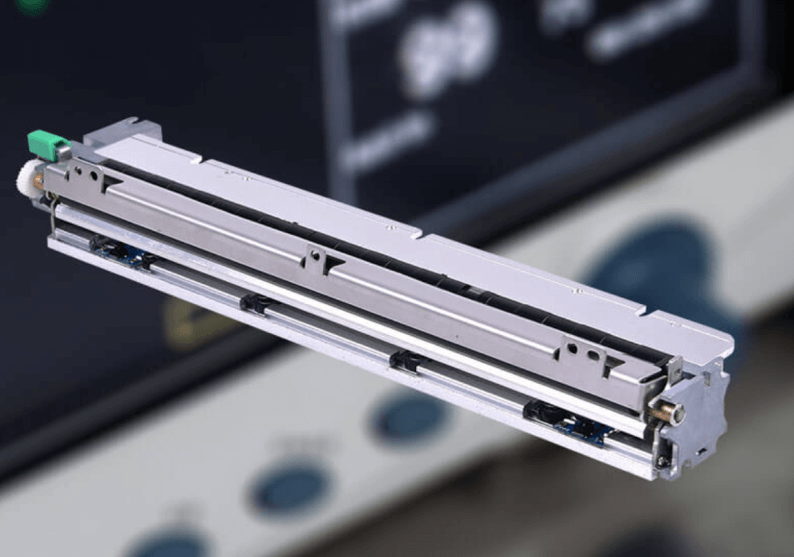
Thermal printer mechanisms and modules are often confused, but they offer different levels of integration. For OEMs and system integrators, choosing the right one directly impacts design flexibility, development time, and user experience. This article explains the differences, outlines key advantages, and helps you decide which option fits your embedded printing needs.
What Is a Thermal Printer Mechanism?
A thermal printer mechanism is the core printing engine inside a thermal printer. It consists of the fundamental mechanical and electronic components required to perform thermal printing, typically including:
●Thermal printhead
●Platen roller
●Stepper motor
●Sensors (for paper detection, temperature, etc.)
●Basic mounting structure
This is essentially a raw component designed to be integrated into a larger system. It requires additional components such as a controller board, power supply, interface board, and housing to form a complete, functional printer.
Thermal printer engines are ideal for experienced integrators seeking full control over design and performance of the final product.
Use Cases:
●Handheld mobile printers (using receipt printer mechanisms)
●Compact POS terminals
●Custom-built kiosk machines
●Label printers in logistics and warehousing
What Is a Thermal Printer Module?
A thermal printer module, on the other hand, includes the core printing mechanism plus additional integration-friendly components. These typically include:
●Interface board (e.g., USB, RS232, TTL)
●Controller board with firmware
●Paper loading structure
●Optional auto cutter or presenter
●Complete casing or mounting brackets
In essence, it is a semi-finished or finished printer assembly that can be easily embedded into your system with minimal additional development.
Use Cases:
●Self-service kiosks (ticketing, parking, ATMs)
●Medical devices requiring label or receipt printing
●Vending and lottery machines
●Public transportation terminals
Key Differences Between Thermal Printer Mechanism and Module
Feature | Thermal Printer Mechanism | Thermal Printer Module |
Integration Level | Basic (core components only) | Advanced (ready-to-install) |
Development Effort | High | Low to medium |
Design Flexibility | Maximum | Moderate |
Components Included | Printhead, motor, sensors | Printhead + control/interface boards, housing, cutter (optional) |
Target User | Experienced engineers | System integrators, device makers |
Cost | Lower upfront cost | Higher, but faster deployment |
How to Choose Between a Thermal Printer Mechanism and Module
The decision between a thermal printer mechanism vs module depends on several factors:
✅ 1. Technical Resources
If you have an experienced engineering team capable of developing hardware, firmware, and drivers, a thermal printer mechanism offers greater customization potential.
✅ 2. Time to Market
Need to accelerate product development? A thermal printer module is quicker to integrate, test, and deploy, minimizing time-to-market.
✅ 3. Cost Structure
Mechanisms might seem cheaper upfront, but the additional cost of development, testing, and certifications can outweigh initial savings. Modules offer a more predictable cost.
✅ 4. Space and Mounting Constraints
If you’re working with strict space limitations or unique device designs, a mechanism gives you more flexibility to fit your exact dimensions.
Integration Case: Thermal Printer Mechanism for Kiosk Applications
A global kiosk manufacturer needed to embed printing functionality into their ticketing and queueing terminals. Initially, they considered using a thermal printer mechanism to keep costs low.
However, after facing delays in firmware development and integration challenges, they switched to a compact thermal printer module with auto cutter. This change reduced development time by 40% and enabled faster global rollout across airports, hospitals, and government buildings.
This illustrates how the right choice between a mechanism and a module can directly impact your go-to-market success.
Partner with the Reliable Thermal Printer Mechanism Manufacturer
Whether you go with a bare mechanism or a more integrated module, a successful embedded printing solution depends on choosing the right partner—one who understands your application, supports customization, and provides technical insight from concept to deployment.
Look for suppliers with proven integration experience, responsive engineering support, and the flexibility to adapt to your project needs. The right collaboration can reduce your development time, simplify your design process, and ensure long-term product reliability.
Choosing smart at the integration stage sets you up for smoother production—and happier users down the line.
Recent posts
Previous article